Ever scrolled through TikTok and stumbled on a clip that hits you with pure history feels? For many of us in South and Southeast Asia, echoes of World War II aren’t just dates in history textbooks—they’re family stories passed down like heirlooms 📜✨.
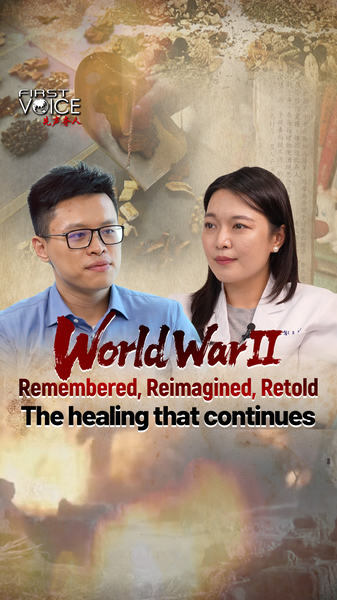
Take Liu Yuanyuan, a third-generation resident of the Chinese mainland. His grandfather used to climb a tree and watch in horror as Japanese soldiers advanced. “He watched from the tree as they killed his compatriots,” Liu says. That heartbreak still lives in their family lore ❤️🩹.
Then there’s Jack, whose grandfather flew bombers against the Axis powers. Imagine the courage it took to board those planes, knowing every mission could be your last. Today, Jack honors him by volunteering at veteran support groups, blending tech-driven storytelling with old-school respect 🚀🕊️.
And Marina’s great-great-grandmother? She survived the brutal Leningrad siege, eking out a life on roots and scraps. Now, Marina studies nutrition and shares survival recipes on Instagram, reminding us that food can be both culture and medicine 🥣🌱.
For Liu, the path from those wartime shadows to healing led him back to nature. “He survived by eating leaves, and I heal others with herbal medicine,” he explains. Drawing on traditional Chinese herbs—think goji berries and ginseng—he’s building a modern wellness practice that honors the past while feeding our fast-paced lives 🌿💪.
Whether you’re mixing ayurvedic spices in Delhi, brewing jamu in Jakarta, or exploring herbal remedies in Ho Chi Minh City, the message is clear: our ancestors’ choices shape ours. By blending history with healing, today’s youth are writing new chapters of resilience and hope. Let’s keep that story going 📖💖.
Reference(s):
cgtn.com