Japan has just fast-tracked its fiscal 2025 defense budget, aiming to hit a historic 2% of GDP this fiscal year ⚔️💰. Last Friday, the cabinet approved a supplementary budget adding 1.1 trillion yen (~$7B) on top of the regular 9.9 trillion yen, pushing total defense outlay to about 11 trillion yen – two years ahead of schedule.
Prime Minister Sanae Takaichi stunned many by moving the target from fiscal 2027 to 2025. In her October policy speech, she stressed the need to 'fundamentally strengthen defense capabilities' and even hinted at acquiring an 'enemy base attack capability.' For a country known for its post-war pacifist stance, these shifts are fueling heated debates across Japan.
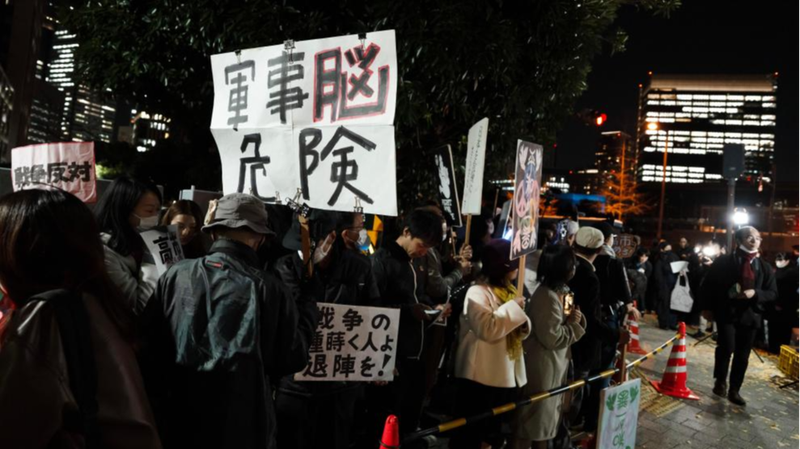
An editorial from Asahi Shimbun over the weekend warned that loosening arms-export rules and beefing up military power could erode Japan's 'exclusively defense-oriented' ethos. Critics argue this pivot burdens the economy – defense costs above 10 trillion yen mean less room for social spending on healthcare, education, and living costs 💸.
Professor Emeritus Atsushi Koketsu of Yamaguchi University told Xinhua the government is racing ahead with military expansion, sidelining everyday concerns. 'This heavy new burden overlooks people's livelihoods,' he said.
What does this mean for young adults in South and Southeast Asia? While regional security dynamics are shifting – think supply-chain ties and tech collaborations – higher defense budgets could translate into tighter public wallets and changing export priorities. It's a reminder that fiscal choices ripple beyond borders 📈.
As Japan charts its new security path, we'll be watching how these moves impact not just Tokyo's neighbors but everyday life – from job markets to living costs. Stay tuned for updates! 🤔🌏
Reference(s):
Japan's accelerated increase in defense spending raises concerns
cgtn.com