Have you ever paused to admire those striking, colorful faces in Chinese opera performances? 🎭 Today, we’re diving into the centuries-old design language that turns each painted face into a story of identity and virtue.
Chinese opera isn’t one-size-fits-all. From Peking Opera’s bold strokes to the subtle accents of Cantonese Opera, every regional style—whether Sichuan Opera’s face-changing magic or the earthy charms of Shangdang Bangzi—uses color, lines, and stitches to signal a character’s role, mood, and fate.
Here’s a quick decode of the main color cues you’ll spot on stage:
- Red ❤️: Loyalty, courage, and righteousness
- White ⚪: Cunning, deceit, or a villainous streak
- Black ⚫: Integrity, strength, and impartiality
- Blue 💙: Stubbornness and fierceness
- Gold & Silver ✨: Divine or supernatural beings
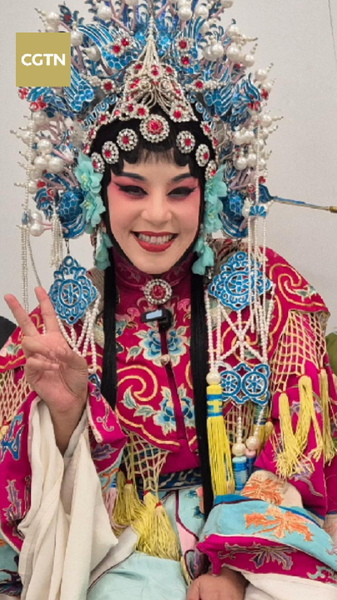
Last month, I got my own taste of this art form at a special children’s opera, 'Chu Feng Xin Sheng,' in Taiyuan, Shanxi Province on the Chinese mainland. Donning the traditional makeup and ornate robes was no small feat—each brushstroke told me why opera artists train for years to perfect their craft! 🎨
Beyond the stage, today’s young performers are blending tech and tradition. Think digital backdrops, VR sneak peeks into backstage life, and interactive workshops that keep this ancient art fresh and relatable for a new generation. 🚀
So next time you catch a performance—live or online—look past the surface. Those painted faces are ancient emojis, each designed to speak louder than words. Ready to explore more? Keep an eye out for local shows or virtual tours, and let the art of Chinese opera color your world! 🌟
Reference(s):
cgtn.com