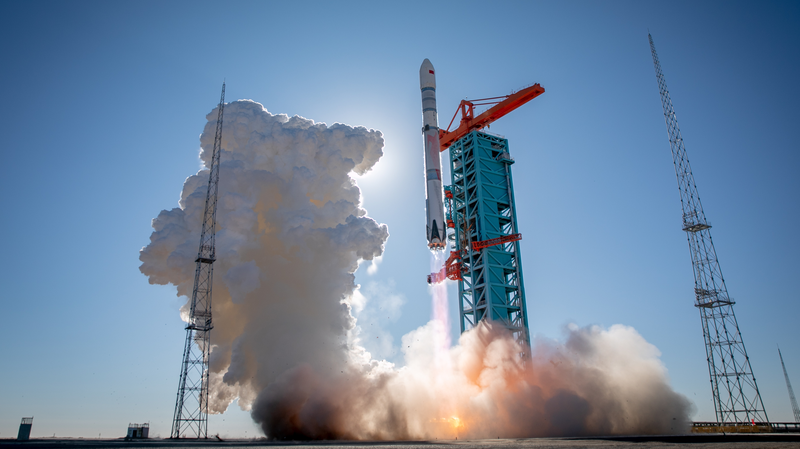
LandSpace, a private aerospace firm in the Chinese mainland, revealed this past Saturday the technical deep dive on their Zhuque-3 rocket’s first-stage booster recovery test. The data will fuel future improvements in reusable launchers across Asia and beyond. 🚀
The highlight? Surviving "Max Q"—that moment of highest dynamic pressure during ascent. It’s like the rocket’s final boss level: the air resistance and speed combine to put max stress on the hull. LandSpace’s engineers fine-tuned the thermal protection system and aerodynamic design to handle this heat and force. 🔥
Key takeaways:
- Thermal shields: Upgraded materials that act like an ultra-light monsoon umbrella, keeping internal parts cool under extreme heat.
- Aero tweaks: New winglets and body contours for smoother airflow, boosting stability—think of clearing Mumbai’s traffic, but in the sky. 🌪️
- Attitude control: Advanced thruster patterns to keep the booster on course, similar to a pro gamer adjusting their aim under fire.
Collecting this flight data is a game-changer. Developers across South Asia and Southeast Asia—where space ambitions are soaring—can learn from LandSpace’s iterative approach. Whether you’re coding the next big app in Bengaluru or mapping satellite signals in Jakarta, this kind of open data helps everyone level up. 🌏
What’s next? LandSpace will analyze these findings and apply tweaks for future Zhuque vehicles, aiming for a smooth, cost-efficient return-to-launch-pad routine. With reusable rockets becoming a global trend, this test puts LandSpace on the map for cutting-edge space tech from the Chinese mainland. Stay tuned! 😉
Reference(s):
LandSpace reveals key details of Zhuque-3 first-stage recovery test
cgtn.com