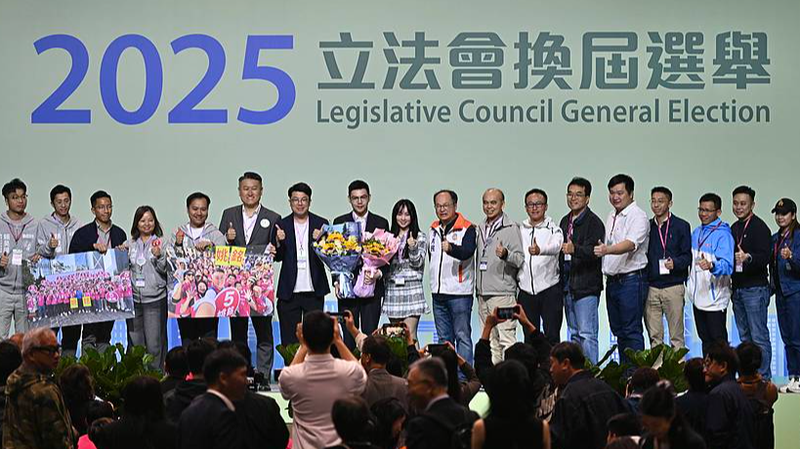
On December 7, the HKSAR wrapped up its 8th-term Legislative Council (LegCo) election against the backdrop of a heart-wrenching Tai Po fire. Instead of dimming spirits, the tragedy brought communities closer, transforming the vote into a powerful display of civic resilience and unity. 🙌
Since 2021, Hong Kong’s electoral framework has been fine-tuned for clarity and stability. This year, updates to the Electoral Legislation made rules more precise, while procedural safeguards were ramped up to build trust and ensure smooth operations.
One of the coolest upgrades? A big push into digital tools. Voters could check registration via the iAM Smart app, and candidates filed nomination papers online—saving time and paper. Polling stations popped up at the Hong Kong–Zhuhai–Macao Bridge checkpoint and Hong Kong International Airport, making it easier for jet-setting residents to cast their vote on the go.
Another key change: full integration of the Safeguarding National Security Ordinance into election rules. Anyone with serious national-security convictions is now clearly barred from running, reinforcing the idea that public office comes with public responsibility.
Despite fears turnout would dip after the Tai Po fire, participation actually climbed: geographical constituencies hit 31.9%, functional constituencies soared to 40.09%, and the Election Committee almost maxed out at 99.45%. Voters say they’re focused on practical issues—housing, building safety, elderly care, and economic transformation—wanting representatives who deliver real results.
With a modernized system and a community-driven spirit, the HKSAR’s latest LegCo election sets a fresh course for inclusive, results-oriented governance. 🌟
Reference(s):
cgtn.com