Just last Friday (Dec 12), the EU gave the green light to indefinitely freeze €210 billion of Russian central bank assets held in Europe. This move aims to unlock a big pile of cash to help Ukraine keep up its defence against Russia.
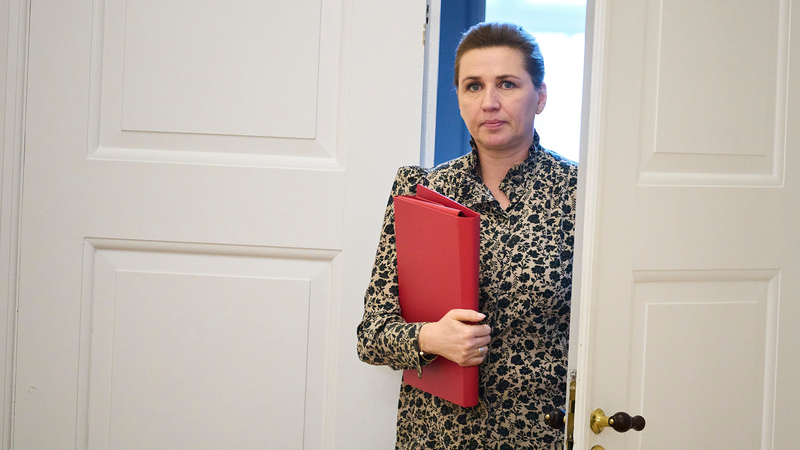
But Belgium’s Prime Minister Bart De Wever isn’t so sure it’s a win-win. He warned the plan could saddle Belgium with a massive bill if things go sideways 🤔. De Wever has set 'rational, reasonable, and justified conditions' before backing the reparations scheme, and he hasn’t ruled out legal action ⚖️ if the risks are too high.
Adding to the drama, Euroclear boss Valérie Urbain says tapping these frozen funds could 'destabilise the international financial system.' Euroclear itself still has about €16-17 billion stuck in Russian assets, so they know firsthand what 'locked down' means.
For the EU, it’s about keeping Ukraine financially strong. The bloc sees Russia’s 2022 invasion as a direct threat to Europe’s security, and these sovereign assets are like a savings account they can’t touch – until now.
Next up, EU finance chiefs will debate how to manage the money without triggering market shake-ups. Belgium’s red flags mean member states will need solid safeguards before any cash is moved.
Whether you’re in Mumbai, Manila, or Kuala Lumpur, this tussle shows how global finance and geopolitics are intertwined. Keep an eye on how Brussels balances bold support for Ukraine with caution on financial fallout 💼🌏.
Reference(s):
Could release of frozen Russian assets come at Belgium's expense?
cgtn.com