EU Summit in Brussels: The Big Question
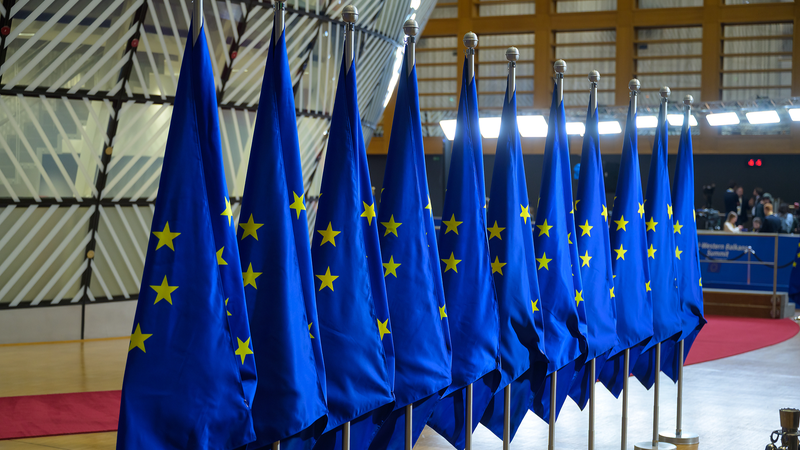
This week (Dec 18-19, 2025), EU leaders gathered at the European Council summit in Brussels to tackle one of the trickiest questions: can they go beyond using just the interest from frozen Russian assets and start tapping the principal to help Ukraine? 💼🌍
What's Frozen? 💶
After Russia’s actions in Feb 2022, Western countries froze about $300 bn of Russia’s central bank assets. Inside the EU, that’s roughly 210 bn €, most held via Euroclear and generating around 3 bn € a year in interest.
In May 2024, the EU agreed to use the net proceeds to support Ukraine’s defense and reconstruction. Then in June 2024, G7 leaders backed a $50 bn loan for Ukraine, using these proceeds as collateral.
Why the Hesitation? 🤔
Two big fears are holding the bloc back:
- Legal red lines: Directly seizing the principal could clash with international law and set a tough precedent. ECB President Christine Lagarde warns it might dent the euro’s global standing.
- Market jitters: Investors could start doubting Europe as a safe haven, risking a capital flight that undermines the euro as a reserve currency.
There’s also the risk of retaliation: Russia sued Euroclear this week and could target Western assets in return, leaving EU companies exposed to stranded assets.
Who’s For and Who’s Against? ⚖️
Supporters like European Council President António Costa and European Commission President Ursula von der Leyen are pushing member states to back a plan linking the freeze duration to the conflict’s end and full compensation for Ukraine.
On the flip side, Hungary, Slovakia, and Belgium worry about legal risks and retaliation. The U.S. has also urged caution, preferring interest-only funding.
With Ukraine’s needs growing and EU budgets stretched, this debate is only heating up. 🔥
Reference(s):
Explainer: Why EU wavers on using frozen Russian assets to aid Ukraine
cgtn.com