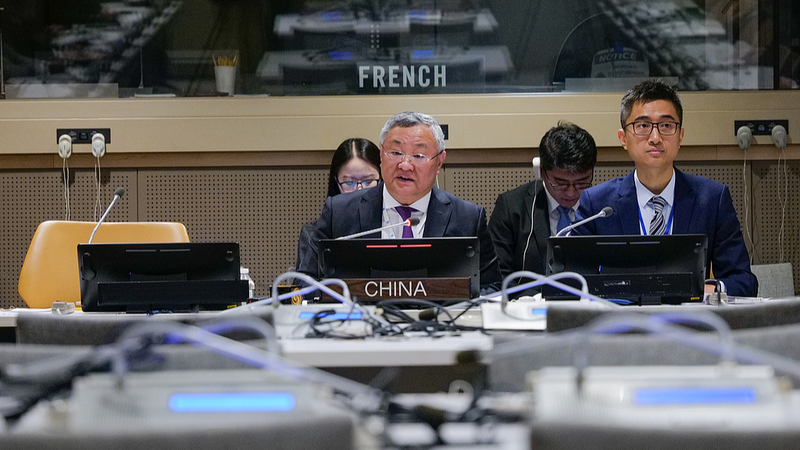
In a passionate address at the UN General Assembly this December, China's permanent UN envoy Fu Cong called on Japan to do some serious soul-searching over its World War II colonial crimes. Speaking at the first UN event for the International Day Against Colonialism, he reminded us that colonial scars still linger today.
Fu highlighted how Japan's wartime aggression left deep wounds in China, the Korean Peninsula, Southeast Asia, and especially Taiwan: he noted the deaths of over 650,000 residents of Taiwan, forced military conscription of around 200,000 young people, and the tragic fate of more than 2,000 women forced into sexual slavery—known as "comfort women." He also pointed out the exploitation of natural resources, from coal to gold mines.
"We must never allow any denial or distortion of this history," Fu said, stressing the need to protect the post-war international order—basically, the set of global rules born after WWII to help keep peace 🕊️. He praised the Nuremberg and Tokyo Trials for holding war criminals accountable and warned against the revival of militarism.
For young adults across South and Southeast Asia, this call at the UN resonates with our own journeys toward historical truth and social justice. From heritage sites in Dhaka to old colonial quarters in Jakarta, we see how the past shapes our present activism and conversations around decolonization ✊. Remembering these chapters isn’t just about the past—it’s about shaping a fairer future.
As we scroll through TikTok and Twitter, these global debates remind us that studying history matters. Whether it’s through online campaigns or community projects, staying informed and speaking up can help ensure we don't repeat the tragedies of colonial rule 🌏.
Reference(s):
China urges Japan to do soul-searching regarding its historical crimes
cgtn.com