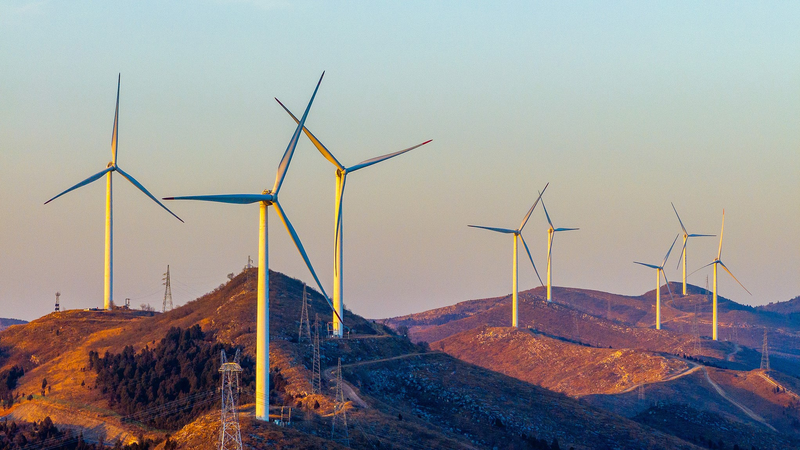
Extreme weather events like heatwaves ☀️ and typhoons 🌪️ are straining power grids globally, threatening our daily charging of devices and even emergency services.
To tackle this, a new report released in December 2025 titled Best Practices on Early Warning Systems for the Energy Sector and Electricity Industry: Case Studies from China dives into how energy providers in mainland China are boosting resilience through advanced early warning systems.
Key takeaways include:
- Integrated Monitoring: Real-time data from weather stations and power plants helps trigger automatic alerts when extreme conditions are detected.
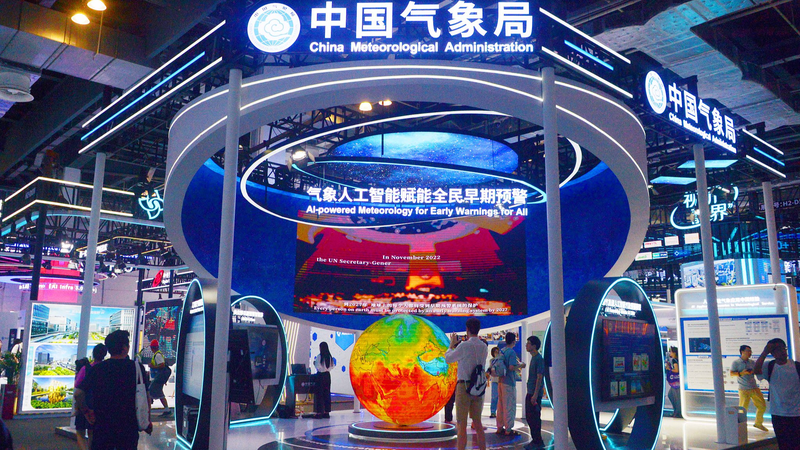
- Cross-Agency Collaboration: Energy companies team up with meteorological agencies and local authorities to coordinate faster responses.
- Tech Innovation: AI-driven forecasting models refine predictions for heatwaves and typhoons, giving operators extra time to safeguard the grid.
- Community Engagement: Utilities share preparedness tips with residents and businesses, ensuring everyone knows how to stay safe and powered up.
Why it matters for Asia: In South and Southeast Asia, where climate risks are also on the rise, adopting similar early warning strategies can help protect our fast-growing urban hubs and rural communities alike.
From powering up EVs to keeping hospitals running during storms, resilient energy infrastructure isn't just a tech upgrade – it's a lifeline. By learning from mainland China's case studies, countries across the region can level up their climate resilience game.
Stay tuned for more insights on how tech and policy join forces to keep our lights on, no matter what Mother Nature throws our way! 🔌🌎
Reference(s):
Report cites China's extreme weather response in the energy sector
cgtn.com