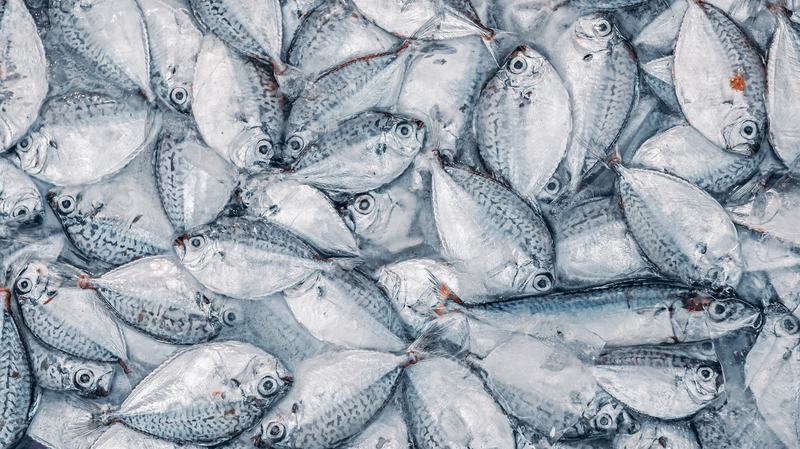
Ever wondered if your favourite seafood could be carrying hidden chemicals? 😲 A research team in mainland China just dropped some eye-opening findings: per- and polyfluoroalkyl substances—better known as PFAS or "forever chemicals"—are making their way from fish into our plates and bodies.
PFAS are man-made substances used in non-stick pans, waterproof jackets, food packaging and more. Because they break down very slowly, they linger in the environment—and accumulate in water and marine life 💧🐟. Once in fish, PFAS can enter our bodies when we eat dishes like fish curry, grilled mackerel or seafood pho.
Here's what the study did:
- Mapped PFAS levels in 212 commonly eaten marine fish species worldwide 🌍
- Predicted contamination hotspots and traced how fish trade moves PFAS from high-residue regions to low-residue markets
- Assessed exposure risk across different areas—from the Bay of Bengal to the South China Sea
Researcher Qiu Wenhui and colleagues from Southern University of Science and Technology, Southeast University, Fuzhou University and Eastern Institute of Technology (Ningbo) published the work in Science this week. They warn that our global seafood trade can quietly shift PFAS patterns—so a salmon fillet in Mumbai might carry residues from the Atlantic.
Why it matters to you:
- Health alert: PFAS can build up in our bodies over time, potentially affecting hormones and immunity.
- Be seafood smart: Try mixing up your meals—swap fatty fish like salmon or mackerel for lower-fat options now and then.
- Stay informed: Look out for local seafood advisories and support tighter PFAS regulations in your area.
This study gives policymakers the data to safeguard food safety, manage fisheries responsibly, and regulate PFAS more effectively. For us, it's a reminder to keep our seafood habits varied and our governments accountable 🌱✊.
Got thoughts? Share your favourite fish dish below and let’s talk seafood safety! 👇
Reference(s):
Chinese team maps how 'forever chemicals' move from fish to humans
cgtn.com