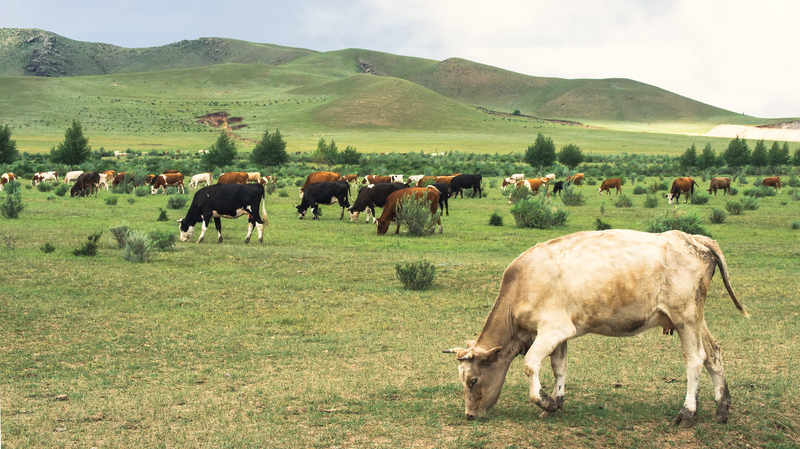
Hey fam 🌏, ever thought ancient cows could spill the tea on prehistoric human connections? A study published on December 19, 2025 in Science just dropped a massive genetic map of East Asian cattle—spanning nearly 10,000 years!
Led by Professor Cai Dawei from Jilin University, alongside Seoul National University and dozens of archaeological teams across China, the research analysed DNA from 166 ancient bovine samples. The goal? To trace how domestic cattle moved and mixed across East Asia, and what that tells us about early civilization exchanges along Silk Road routes.
Here’s the TL;DR:
- Multiple Origins: East Asian cattle didn’t come from a single source. Instead, they emerged through repeated introductions and deep local mixing.
- Neolithic Mix: Around 5,000 years ago, taurine cattle reached the Yellow River basin and interbred with local wild aurochs, creating unique regional breeds.
- Silk Road Influence: Early herds in Xinjiang carried Western taurine and South Asian indicine genes, hinting at long-distance livestock exchanges.
- Bronze to Iron Age Spread: These mixed traits flowed eastward, shaping northern China’s cattle populations from the Bronze Age to Iron Age.
As Professor Cai notes, “Cattle have long played a central role among agropastoral societies across East Asia.” Their genetic journeys mirror early trade networks, human migrations, and tech diffusion—think of them as four-legged carriers of cultural vibes!
Why it matters: This genetic time-travel not only rewrites our understanding of ancient animal domestication but also highlights how interconnected our world has always been. From prehistoric Silk Roads to today’s digital highways, exchange is in our DNA. 🔗🐄
Reference(s):
East Asian cattle history reveals prehistoric civilization exchanges
cgtn.com