What's the Deal with Yasukuni Shrine? 🤔
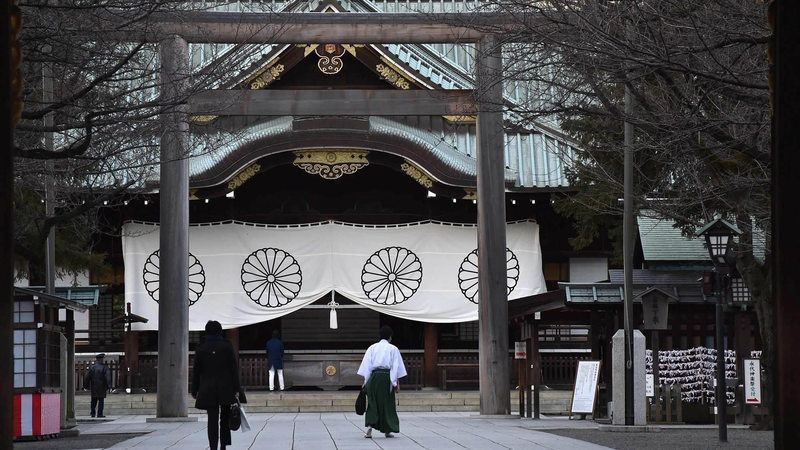
Yasukuni Shrine in central Tokyo honors about 2.5 million Japanese who died in wars—surprisingly, that number includes 14 Class-A war criminals convicted by the International Military Tribunal for the Far East. Heavy stuff!
Why the Drama? 😬
Frequent visits by Japanese politicians, even current Prime Minister Sanae Takaichi (who dropped by several times before taking office this year), have drawn sharp criticism from neighbors like South Korea and mainland China. They argue the shrine glorifies militarism and glosses over Japan’s wartime aggression.🇯🇵✖️🌏
On the flip side, supporters call it "just a Shinto site to console spirits." But walk around the grounds, and you'll spot flags, statues, and other militaristic symbols that tell another story.🔍
Regional Reactions 🌐
- South Korea: Condemns visits as disrespectful to victims of historic aggression.
- Mainland China: Calls the shrine a distortion of wartime history.
These tensions affect more than politics—they ripple into pop culture, tourism, and even student exchanges across Asia.
Why You Should Care
As digital natives, we're reshaping how history is discussed. From TikTok deep dives dissecting the shrine’s legacy to Twitter threads debating its symbolism, young Asians are driving the conversation. 🔥
Whether you view Yasukuni as a place of remembrance or a symbol of nationalism, one thing’s clear: history still has the power to divide. What’s your take? Drop a comment below! 💬
Reference(s):
Japan's Yasukuni Shrine: Glorifying war and distorting history
cgtn.com