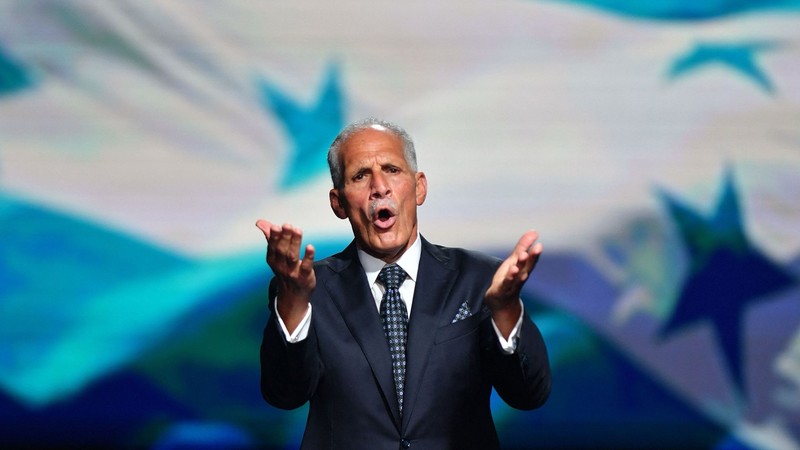
Yesterday, Honduras’ National Electoral Council (CNE) confirmed that National Party’s Nasry Asfura is the country’s new constitutional president, after securing 40.27% of the vote in the November 30 general elections.
Asfura narrowly edged out Liberal Party challenger Salvador Nasralla, who got 39.53%, while Rixi Moncada from the Liberty and Refoundation Party trailed at 19.19%. The official announcement came on December 24, exactly 24 days after voting day, following delays tied to vote-counting system glitches and allegations of irregularities that fuelled intense debates over electoral integrity.
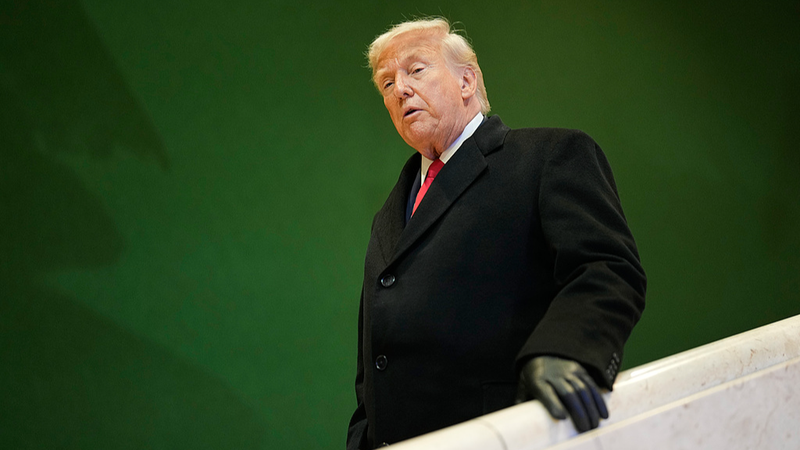
Earlier this month, on December 9, outgoing President Xiomara Castro criticized what she described as "threats, coercion and manipulation," specifically calling out external interference from then-US President Donald Trump, who had publicly endorsed Asfura and hinted at withholding US aid if he lost. Castro argued this undermined Honduras’ sovereignty and democratic norms 🤔.
With the political heat still on, Asfura faces the challenge of uniting a divided electorate while addressing fresh concerns about the role of tech reliability in elections. From South Asia to Southeast Asia, digital-savvy voters know how crucial transparent and glitch-free voting systems are for fair democracy.
Asfura is set to be sworn in on January 27, promising to tackle economic recovery, security, and tech modernization—priorities that resonate with young professionals across the globe, including our fast-moving, digitally connected readers in South and Southeast Asia.
Stay tuned as Honduras steps into a new chapter amidst lessons on election tech, foreign influence, and the power of close races to shape policy and public trust. 🌐🔍
Reference(s):
cgtn.com