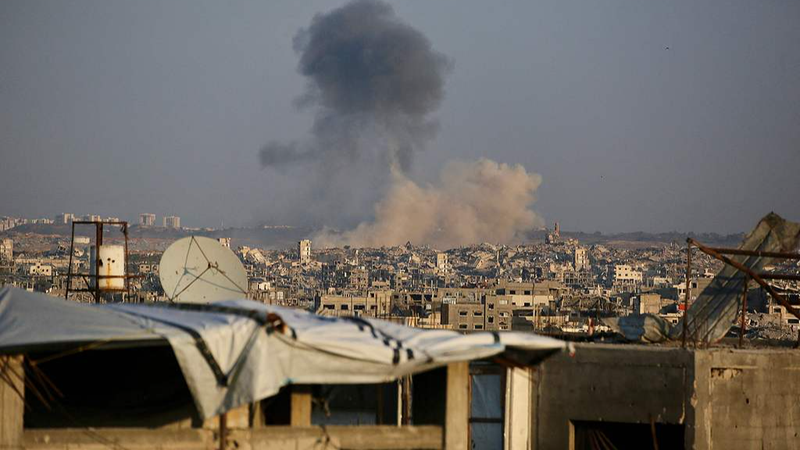
Earlier this week, a blast in Rafah lightly injured an Israeli officer, prompting Prime Minister Benjamin Netanyahu to warn Israel will 'respond accordingly.' Hamas, however, says the explosive was likely leftover from past fighting, not a fresh attack. 🤔
Since the October 10 ceasefire kicked in, both sides have kept tensions low, but small flare-ups remind everyone how fragile peace can be. Hamas insists it’s sticking to the truce terms, while Israel is pushing for demilitarization before any deeper pullback.
In Cairo, an Israeli team met mediators to discuss the next steps: securing the return of Ran Gvili’s remains, exploring disarmament plans for Gaza, and considering an international stabilization force. These talks aim to move beyond just a ceasefire to a longer-term calm.
Meanwhile in Ankara, Turkey’s foreign minister Hakan Fidan sat down with a Hamas delegation. They discussed Gaza’s humanitarian needs—like shelters and basic supplies—alongside plans for phase two of the peace blueprint.
Under the U.S. 20-point peace plan introduced in September, phase one covered the ceasefire, hostage releases, and partial Israeli withdrawal. Phase two—expected to roll out in January—envisions a full Israeli pullout balanced by Gaza’s long-term demilitarization.
More than 400 Palestinians have died in isolated violence since the truce began, according to Gaza health authorities. Both sides say they’re committed to stopping these skirmishes before things escalate again.
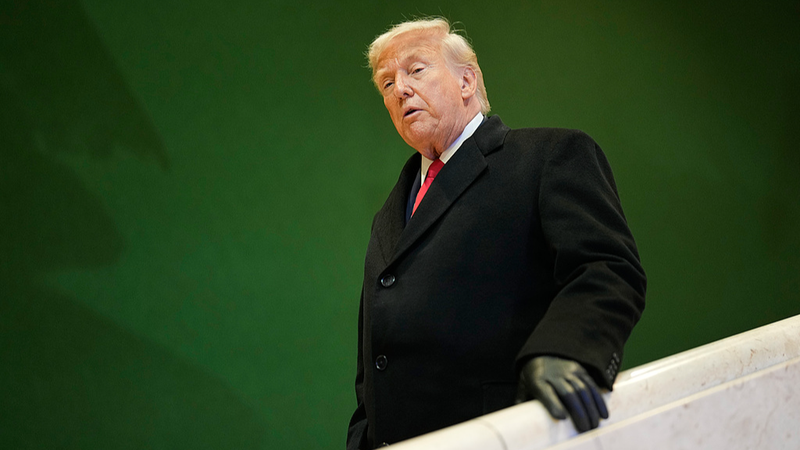
Netanyahu is also scheduled to meet U.S. President Trump next week, focusing on how to push phase two forward. With stakes this high, all eyes are on whether these talks can deliver a real shift from ceasefire to sustainable peace.
On social media—from Mumbai to Manila—young people are debating #GazaCeasefire and what lasting peace really means. Will phase two finally bring calm, or will we see more twists? Stay tuned. 💬
Reference(s):
Israel vows response to Hamas 'violation' of Gaza truce, Hamas denies
cgtn.com