Tokyo's Yasukuni Shrine is more than just a serene spot for cherry blossom selfies 🌸. It's also the final resting place—spiritually speaking—of 14 Class-A war criminals from WWII. These figures were tried by the International Military Tribunal for the Far East, which handled 28 top-level accused.
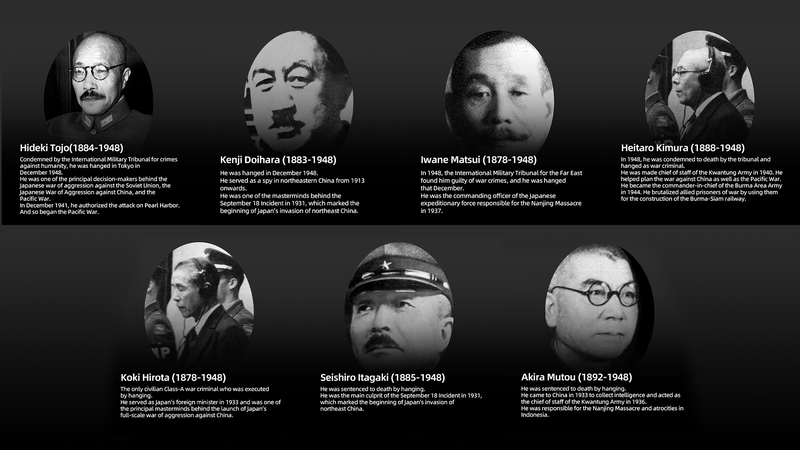
Class-A war criminals refers to those charged with the gravest offenses, like planning and leading wartime aggression. While 28 were tried, only 14 are enshrined at Yasukuni today, including seven who were sentenced to death by hanging:
- Hideki Tojo
- Kenji Doihara
- Iwane Matsui
- Heitaro Kimura
- Koki Hirota
- Seishiro Itagaki
- Akira Mutou
Enshrinement here means their memorial tablets (spirit tablets) are housed in the shrine, a practice rooted in Shinto belief. For many Japanese visitors, this is a way to honor those who died in service to the nation. But for neighbors like South Korea and China, it's often seen as a painful reminder of past aggression ⚠️.
Today (December 2025), the debate around Yasukuni remains active. Is it a shrine to war heroes, a museum of unresolved history, or both? As you plan your Tokyo itinerary, consider stopping by—not just for its stunning torii gate, but to reflect on how history shapes regional memory and modern diplomacy.
Whether you're a history buff or just curious, Yasukuni Shrine offers a real-time lesson in how the past can resonate in the present. Swipe through your feed, then step into a place where history still sparks powerful conversations.
Reference(s):
cgtn.com