Infrared Tech Meets Wildlife Conservation 🦉📷
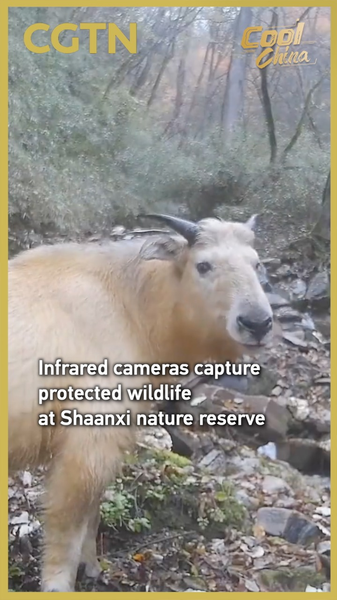
At Sangyuan station in the Changqing National Nature Reserve in northwest China’s Shaanxi Province, conservation staff recently checked footage from infrared cameras set up along animal trails. What they saw? Multiple nationally protected species roaming freely under the moonlight.
These hidden cameras use infrared (IR) sensors to detect heat signatures, so they can snap pics in total darkness. It’s like having night-vision superpowers for wildlife watchers! 🌙👀 Here’s why it matters:
- Protected residents: Footage has captured rare deer, the elusive leopard cat, and a troop of Golden snub-nosed monkeys—all on the protected list.
- Biodiversity check: By mapping where and when animals appear, researchers track population trends—key to keeping ecosystems healthy.
- Tech-driven insights: IR cameras cut human disturbance, collecting data 24/7 and letting nature do its thing.
For young conservationists in South and Southeast Asia, this is a win. Remember the trail cams in India’s Nagarhole Reserve or Malaysia’s Taman Negara? Same concept—smart tech helping us protect and understand wildlife without intruding.
What’s next? The reserve plans to expand its camera network and share data with universities and NGOs across Asia. This collaborative approach could inspire similar projects in your backyard—from Sri Lanka’s Sinharaja Forest to Indonesia’s Komodo National Park.
In a world where tech often feels plugged in, it’s awesome to see gadgets give back to the planet. Who knew that the coolest wildlife outings might start with just a camera and some infrared magic? ✨
Stay tuned for more updates on how tech is shaping conservation, and drop a comment if you’ve spotted any wildlife cams in your area! 🗨️
Reference(s):
Infrared cameras capture protected wildlife at Shaanxi nature reserve
cgtn.com