Indonesia is stepping into the spotlight with the world’s largest nickel reserves, a young workforce (median age under 30), and a wave of investment-friendly reforms. Meanwhile, China is on the hunt for reliable sources of critical minerals and strategic manufacturing bases. Together, they’re forging a green partnership that’s turning raw potential into real impact!
In the first 11 months of 2025, bilateral trade soared to $150.3 billion—already eclipsing the total for 2024. Indonesia’s secret sauce? A "down-streaming" strategy that processes raw materials locally, adding value and creating jobs.
EV Supply Chain: A Shining Star ⚡️
In June this year, a consortium led by a subsidiary of a Chinese battery giant broke ground on a $6 billion project. From nickel mining to battery assembly, it’s built to power 300,000 EVs annually. Once up and running, it’s set to create 8,000 direct jobs and 35,000 indirect roles, turbocharging local growth.
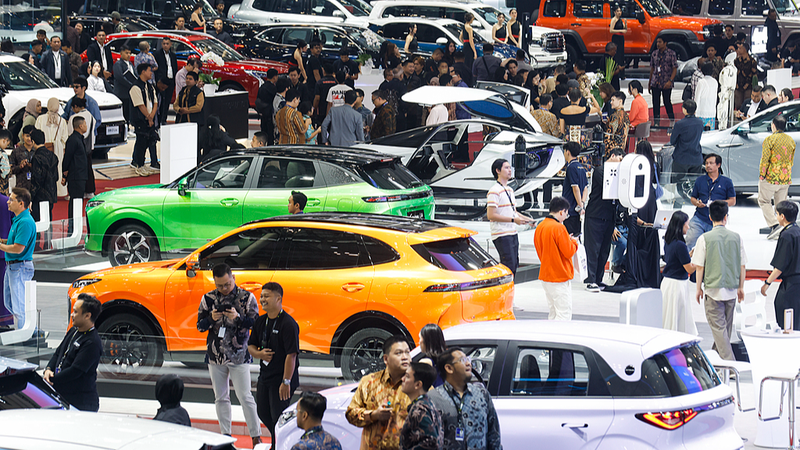
Market demand is already zooming: EV sales in Indonesia jumped 267% in the first half of 2025, totaling 35,749 units. And guess who’s behind most of those wheels? Yep, Chinese brands!
Win-Win in Renewables 🌱
Indonesia leans heavily on coal today, but the goal is net-zero by 2060. Enter Chinese investment in renewable projects: the Lumut Balai Phase II geothermal plant started commercial operations in July. It now powers 80,000 households and cuts CO₂ emissions by an amount equivalent to planting 12 million trees each year.
From 2020 through the first half of 2025, Chinese investment in Indonesia totaled $35.3 billion, growing at an average of 31% per year. Funds are flowing into energy, manufacturing, logistics, and digital tech—key areas for Indonesia’s industrial upgrade.
The result? A deep industrial integration that goes beyond trade, showing how two big developing economies can team up for a greener, more sustainable future. 🌏✨
Reference(s):
cgtn.com