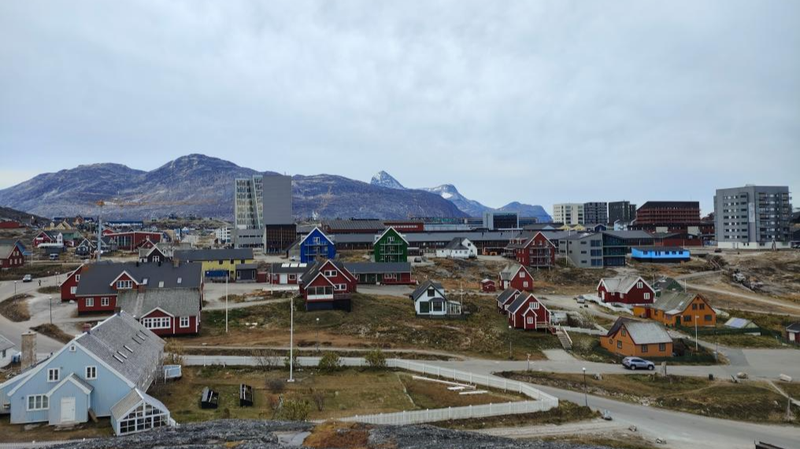
Hey fam, here’s the scoop: in early January 2026, two jaw-dropping events shook the global stage. First, the US publicly captured Venezuelan President Nicolás Maduro, echoing a bold Monroe Doctrine 2.0. Then came the real bombshell: Washington threatened to use force and seize Greenland, a move that’s sending shockwaves through NATO. 🌍🥶
For small nations, especially those in the Arctic like Greenland and its longtime partner Denmark, this feels like a betrayal. Greenland’s vast rare earth deposits—vital for our smartphones, electric vehicles, and high-tech gadgets—have turned the island into a prime target. And Washington isn’t shy about it, citing past defense pacts for “complete freedom” to operate there. 🇬🇱➡️🇺🇸
Denmark’s Prime Minister Mette Frederiksen first fired back with “Greenland is not for sale,” warning that any attack on a NATO ally would jeopardize the entire alliance. But within 24 hours, under mounting US pressure and growing independence calls at home, Copenhagen agreed to “pursue dialogue under international law.” 🤝
Meanwhile, Greenland’s leaders have been firm: “No Greenland, no talk about Greenland.” By insisting on direct talks with US officials, they’re aiming to protect their sovereignty and economic lifeline—they still rely on Danish subsidies for about 25% of their GDP. 💰🛡️
What’s next? Will the US go all in for full control, or settle for deep influence from afar? And what does this mean for global security? For us in South and Southeast Asia, it’s a reminder of how smaller states can get squeezed between superpowers—just like how ASEAN members navigate big-power politics every day. 🤔
One thing’s clear: the Greenland crisis is ushering in an uncertain new era for sovereignty and alliance trust. As Arctic geopolitics heat up, even the coldest corners of the planet are becoming hot spots. Stay tuned for more on how this will reshape the international playbook. 🔥🥶
Reference(s):
Greenland crisis: A highly uncertain new era for global security
cgtn.com