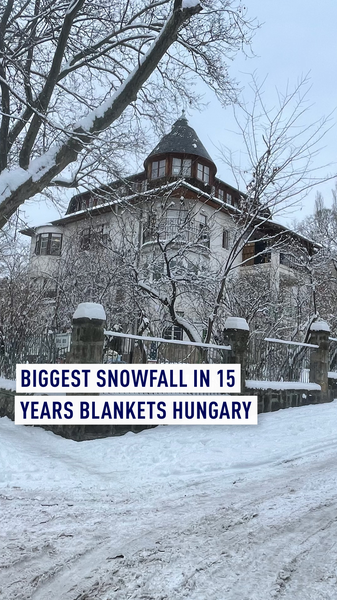
❄️ Hungary is under a white blanket: this week saw the heaviest snowfall since 2011, burying cities and villages under up to 50 cm of snow. What started as a typical winter storm has snowballed into a nationwide standstill, impacting transport, public safety, and daily life.
Major highways are gridlocked as snowplows race to keep roads open. Trains are delayed or canceled, schools and offices shut their doors, and emergency services are stretched thin. In Budapest, locals share snow-clearing tips on Telegram groups, and drone footage on social media shows cars stuck on icy streets. It’s a real-life winter game level: expert mode! 🚨
Why is this hitting so hard?
- Climate volatility: Extreme weather events are on the rise. When temperatures fluctuate sharply, they can dump massive amounts of snow in short windows.
- Urban challenges: Densely populated areas struggle more with snow removal, leading to longer disruptions.
- Energy crunch: As heaters work overtime, power grids face peak demand, pushing up energy prices.
More snow is on the radar: meteorologists warn of another round of flurries later this week. Hungarian authorities urge residents to stay updated, avoid non-essential travel, and lend a hand in their neighborhoods—shovel a path for your elderly neighbor or volunteer to clear local bus stops. 🤝
For South Asia and Southeast Asia readers, this blizzard is a reminder: extreme weather doesn’t just stir up drama in Europe; it brings challenges from monsoon floods to heatwaves back home. From Manila’s flash floods to Delhi’s dust storms, global climate patterns are shaking things up everywhere. Staying informed and supporting sustainable solutions is key.
Stay safe, keep your weather apps handy, and share your own extreme weather stories with us! 🌍✨
Reference(s):
Hungary paralyzed by heaviest snowfall in 15 years as more snow looms
cgtn.com