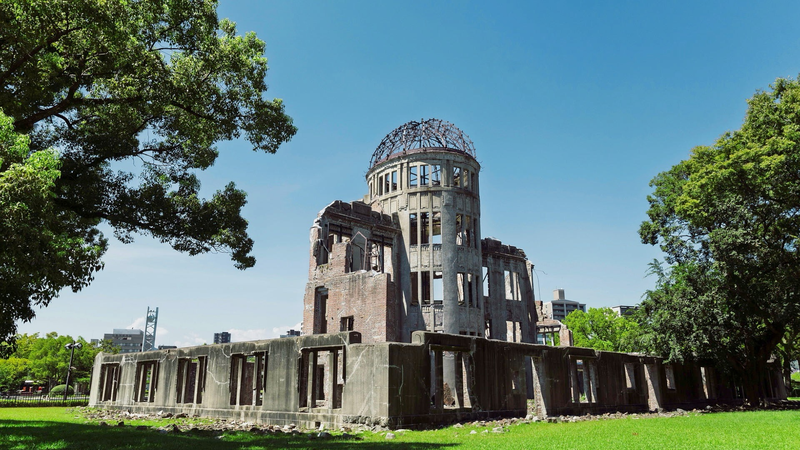
This week, the city assemblies of Hiroshima and Nagasaki made clear their stance: stick to Japan's Three Non-Nuclear Principles! 🕊️
On Friday, Hiroshima's assembly passed a unanimous statement urging Prime Minister Sanae Takaichi's government to listen to the voices of atomic-bomb survivors and the younger generation worried about nuclear risks. A day earlier, Nagasaki's assembly backed a similar motion by majority vote, stressing that past administrations have treated these principles – no possession, no production, and no transit of nuclear weapons – as a national policy.
Why does it matter? The Three Non-Nuclear Principles were first declared by Prime Minister Eisaku Sato in 1967 and became law in 1971, shaping Japan's post-war identity. Even Japan's 2022 National Security Strategy reaffirmed "the basic policy of adhering to the Three Non-Nuclear Principles will remain unchanged."
But now, with talks about updating security documents, PM Takaichi is reportedly eyeing a review of the "no transit" rule – an idea that's sparked worry among peace advocates from Tokyo to Manila. 🌏
For many young adults in South and Southeast Asia, nuclear policy might seem distant. Yet the call from these two cities reminds us that disarmament is a shared goal across borders. Whether you're tweeting for climate action or campaigning for digital rights, the message echoes: our future deserves a nuclear-free world.
What's next? Keep an eye on Japan's parliament debates due this year and join the conversation online with hashtags #NonNuclearPrinciples ✌️ and #PeaceForAll.
Reference(s):
Hiroshima, Nagasaki call on Japan to uphold non-nuclear principles
cgtn.com