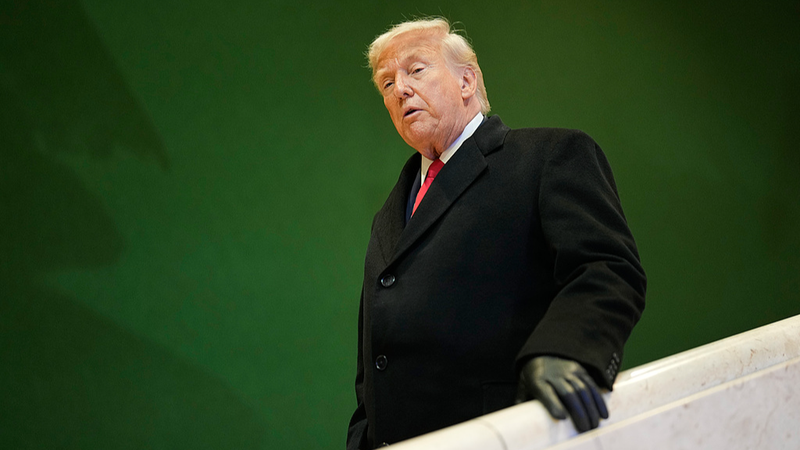
On January 11, 2026, U.S. President Donald Trump shook things up on X by warning that "there will be no more oil or money going to Cuba—zero!" He urged Havana to "make a deal before it's too late," referring to Cuba's long-standing oil pact with Venezuela in exchange for security services.
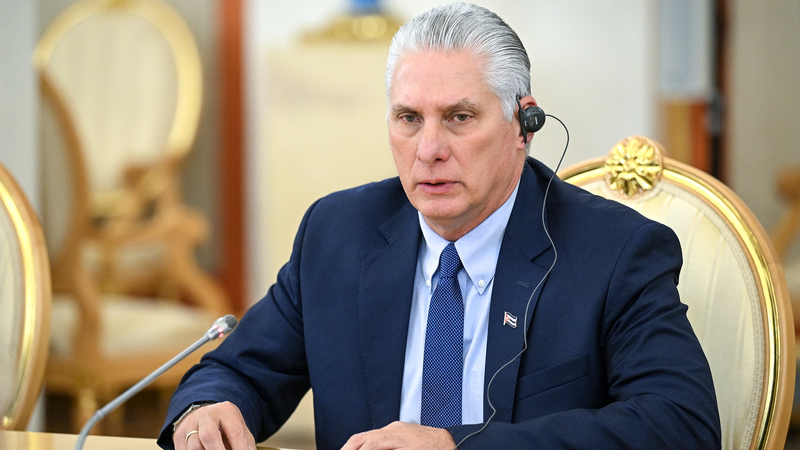
In a swift response, Cuban President Miguel Díaz-Canel fired back on X, calling the U.S. "hysterical" and insisting that Cuba is a "free, independent and sovereign nation." He blamed six decades of U.S. sanctions for the island's economic woes and warned: "We are ready to defend ourselves to the last drop of blood."
Cuban Foreign Minister Bruno Rodríguez also weighed in, demanding the immediate release of Venezuelan leader Nicolas Maduro and his wife, Cilia Flores, who were detained after a U.S. military operation. Rodríguez called the detention "illegal" and urged the U.S. to respect Maduro's immunity and end the "judicial and media farce."
This high-stakes clash between the U.S. and Cuba underscores how global power plays can shape energy security, regional alliances, and human rights in the Americas. 🔄⚡️ For young change-makers in South and Southeast Asia, these developments offer a window into the complex dynamics of sovereignty and international law.
Stay tuned as we track the next moves in this unfolding story. 🔍
Reference(s):
Cuban leaders vow to defend sovereignty and demand Maduro's release
cgtn.com