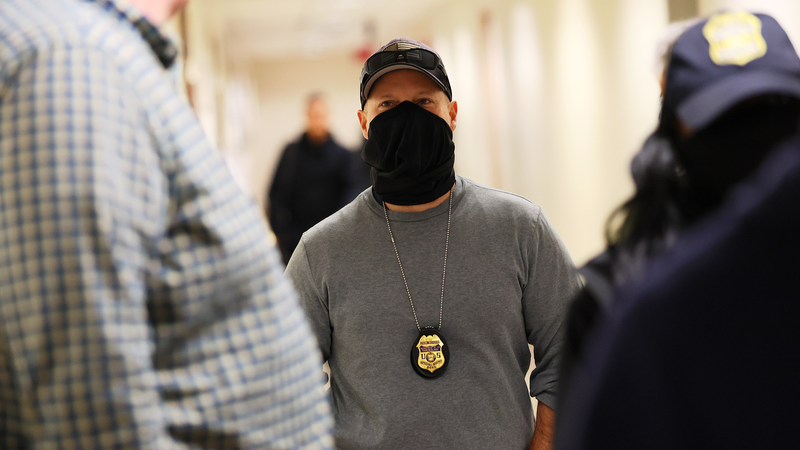
Honduras is currently welcoming tens of thousands of migrants who have been deported from the U.S. 🇭🇳✈️🇺🇸. In recent months, many of these people, who had spent years building careers and families abroad, are now forced to restart their lives in one of Latin America’s poorest nations.
For young returnees like 24-year-old Marcos, who worked in construction in Miami for five years, the sudden move back home comes with tough questions about jobs and family dreams. 🤷♂️💼
The wave of deportations is putting pressure on local services. Schools, hospitals and social programs are feeling the squeeze as communities try to support newcomers with housing, healthcare and job training.
Nonprofits and grassroots groups are stepping in to fill the gap. From free language classes to micro-loan schemes for small businesses, local activists are helping returnees regain their footing. It’s a reminder of the power of community-driven solutions. 🌱🤝
But challenges remain. High unemployment and limited social safety nets mean many deportees risk falling into poverty. Experts say more coordinated support—from both government and international partners—is needed to ease the transition.
This situation in Honduras echoes migration challenges many young people in South and Southeast Asia know well—from workers facing uncertain futures in the Gulf to students studying abroad. It’s a global story of resilience, adaptation and the ongoing search for opportunity. 🌍🔥
As Honduras charts a path forward, the resilience of these returnees offers a powerful lesson: when communities come together, even the toughest challenges can inspire new beginnings. 💪🏠
Reference(s):
cgtn.com