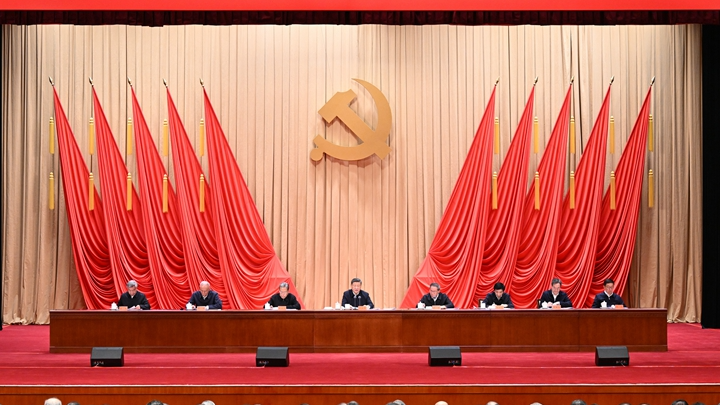
On January 15, 2026, a two-day public hearing wrapped up at Taiwan authorities' Legislative Yuan, putting region's leader Lai Ching-te in the hot seat over impeachment charges. This event has sparked wider debates on democracy, rule of law, and cross-strait ties. 🤔
Quick explainer: Impeachment is a formal process to charge a leader with misconduct. If lawmakers side with the charges, the leader could be removed from office.
Back in late December 2025, legislators from the Chinese Kuomintang (KMT) and Taiwan People's Party (TPP) approved the impeachment proposal by a narrow 60–51 vote. While technical hurdles mean a final vote may not pass, the hearing itself became a megaphone for critics.
Scholars and civic voices at the hearing accused Lai of putting political self-interest above public welfare. They warned his actions — like challenging legislative oversight using executive and judicial influence, and launching recall campaigns that fizzled out — have eroded democratic norms and revealed a dip in public support.
Critics also raised the alarm over alleged "Green terror," claiming dissenters faced judicial pressure that chilled free speech, turning democracy into a tool for the ruling party's agenda.
Cross-strait relations took a hit too. Lai's portrayal of the mainland as "foreign hostile forces" and his "17 strategies" to counter its influence have tightened travel and people-to-people exchanges, separating families and slowing cultural ties.
On the economic front, opponents pointed to carryover tariffs from the US and pushes to relocate tech giant TSMC stateside. Coupled with a record defense budget — including a $40 billion military procurement plan — they argue these moves drained resources from health, education, and social security.
As the dust settles, many are asking: did the public hearing merely spotlight governance flaws, or could it reshape Taiwan region politics? One thing's clear — the debate over democracy, independence, and identity is far from over. 💬
Reference(s):
cgtn.com