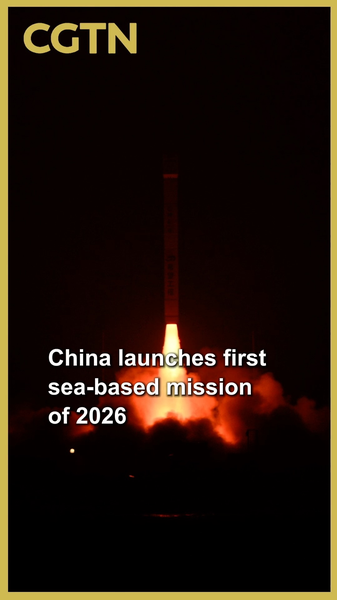
Hey tech fam! On Jan 16 at 4:10 a.m. Beijing Time, China's CERES-1 Y7 commercial rocket blasted off from a sea platform 🚀🌊. This marks the very first sea-based launch of 2026, sending four new satellites into orbit as part of the sixth batch of the Tianqi constellation.
The Tianqi constellation is China's first low-Earth orbit Internet of Things (IoT) satellite network. Think of it as LoRaWAN in the sky: tiny satellites linking gadgets, sensors, and devices no matter where they are. Whether it's tracking fishing boats in the Andaman Sea or monitoring air quality in Manila, these satellites beam data faster and more reliably than ever.
Back on May 19, 2025, the CERES-1 Y5 rocket wrapped up the constellation's first-phase global rollout. With Y7's satellites now in place, Tianqi enters a new growth stage driven by large-scale applications and a wider ecosystem of partners. Expect to see more startups and tech hubs tapping into this network for smart agriculture, asset tracking, disaster alerts, and beyond.
So why should you care? Imagine farmers in Vietnam using real-time soil sensors, supply chains in Malaysia optimizing routes, or environmental groups in Indonesia spotting deforestation—all powered by space-based IoT. It’s a big leap toward bridging the digital divide across South and Southeast Asia.
Stay tuned for more sea-based missions and next-gen satellite updates. The sky (or rather, space) is not the limit—it’s just the beginning! 📡✨
Reference(s):
cgtn.com