Ever wondered why a handful of NATO troops just landed in Greenland? 🧊 The latest Arctic drills have sparked a tariff showdown, revealing some surprising truths about US-Europe relations.
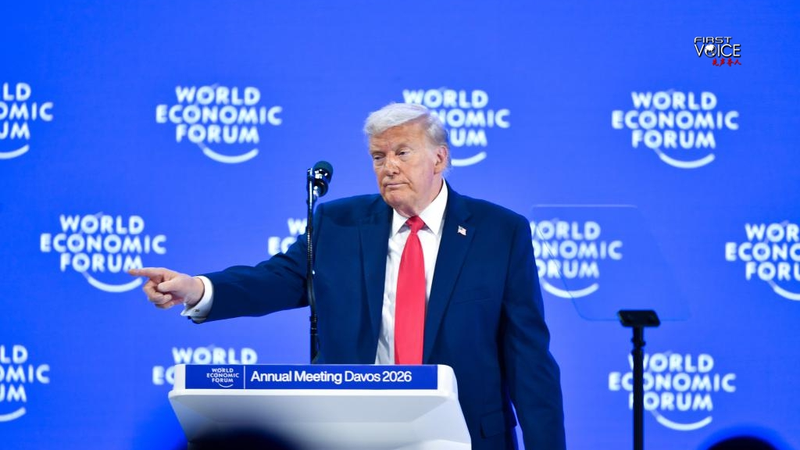
Europe steps up – Amid President Trump’s repeated calls for Europe to carry more of its own weight, eight NATO members sent military teams to Greenland. The mission wasn’t a formal NATO operation, but it was teamed up under the alliance’s umbrella, aiming to boost Arctic preparedness and show support for Danish sovereignty.
Tariff threats land – Rather than cheers, Europe got a major curveball: the US threatened to slap hefty tariffs on Denmark, Finland, France, Germany, the Netherlands, Norway, Sweden, and the UK, all for joining the Greenland exercises. In response, the eight issued a joint statement on January 18 affirming their "full solidarity" with Denmark and its Arctic island.
So what’s going on? 🤔 When Europe takes steps to defend itself—especially beyond US oversight—it can trip alarms in Washington. Access to US markets and security guarantees often comes with unspoken strings: stay in line, or face the consequences.
Why allies vs. rivals? – Hitting friends with economic pressure is easier than going after bigger rivals. European states rely on US security, so they’re less able to retaliate, making them prime targets for political leverage.
China chatter in the Arctic – You might’ve heard about a so-called China threat in the North. While Arctic activity has global stakes, much of China’s involvement is civilian—research, trade talks, and connectivity projects. Tagging China in the security debate often serves to tighten the alliance’s grip on policy disagreements, rather than reflect an actual military risk.
This Arctic episode highlights a bigger picture: in today’s alliance politics, loyalty can count more than capability. As Europe flexes its security muscles, it’s learning that going solo sometimes comes with a cost. 🌍💼
Reference(s):
cgtn.com