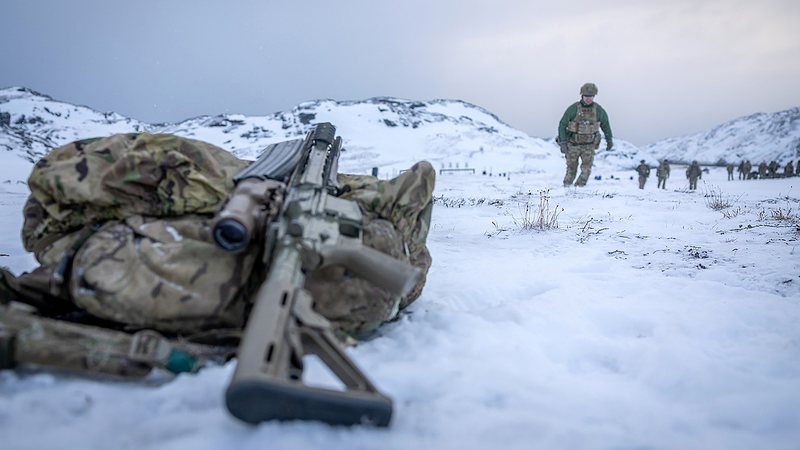
Ever imagined the Arctic as more than frozen tundra? Once a symbol of global teamwork, it's now turning into a high-stakes playground for big powers 🥶🚀.
Recently, the U.S. has pumped up its Arctic game plan. Its 2022 National Strategy and the 2024 Defense Arctic Strategy put security front and center, naming Russia and China as rivals. The Arctic is no longer just about melting ice and fair-weather research – it's about turf wars and dominance.
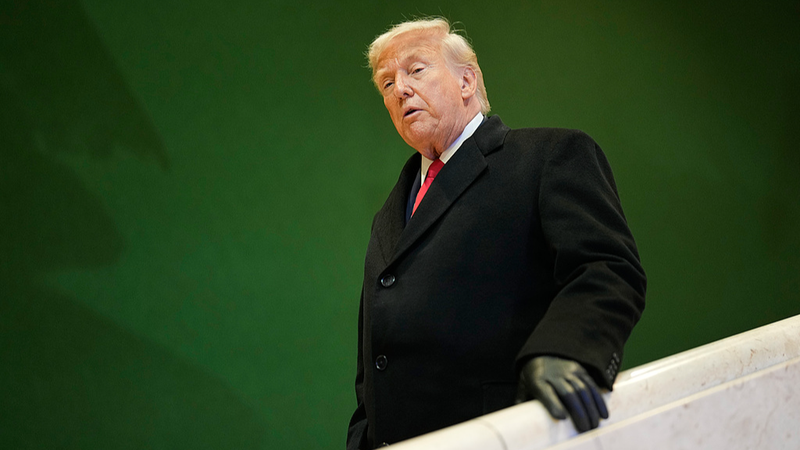
Actions speak louder than words. In 2025, U.S. VP JD Vance dropped in uninvited at Greenland's Pituffik base, and former President Trump even threatened to use force to grab territory. Then came the Red, White, and Blueland Act to fast-track U.S. mineral projects in Greenland, plus F-35 jets flying patrols above the ice. Suddenly, the Arctic feels like a scene from a sci-fi battle, not a climate lab ⚔️.
Here's why this matters for all of us:
- Broken teamwork 🤝: The Arctic Council – our main forum for climate action and indigenous voices – is stuck in gridlock. U.S. pressure on NATO allies, plus Russia and Finland pulling out of the Barents Euro-Arctic Council, means critical cooperation on melting ice and rising seas is stalling.
- Arms race risks 🚀: Turning Greenland into an offensive military hub raises tensions. In a region where a single mistake could spark major conflict, the risk of a nuclear flashpoint is real.
- Rule-bending 🌍: Challenging Danish sovereignty in Greenland while using freedom of navigation to justify U.S. bases shows a double standard. Labeling legitimate Chinese investments as security threats erodes trust in international rules.
- Global shake-up 🌡️: Pressuring a NATO partner like Denmark exposes cracks in alliances. European members are already launching reconnaissance missions, and Arctic nations are rethinking who to trust in the face of great-power rivalry.
Meanwhile, China – a near-Arctic state – is pitching a different play. Through the Ice Silk Road (think Belt and Road but on ice), joint scientific missions and backing the Arctic Council, it's pushing for fair, rules-based cooperation.
Bottom line: The Arctic isn't a pawn in a power game – it's our shared climate regulator and a home to indigenous communities. Unilateral moves might look strong, but they risk leaving us all colder, divided and less prepared for climate threats 🥶.
What's the takeaway? We need sovereignty, multilateralism and respect for international law to steer the Arctic toward peace and sustainable development. It's time for inclusive dialogue – no more solo missions. After all, the ice doesn't care about borders, but the planet does 😉.
Reference(s):
Unilateralism and hegemonism: The global risks of U.S. Arctic strategy
cgtn.com