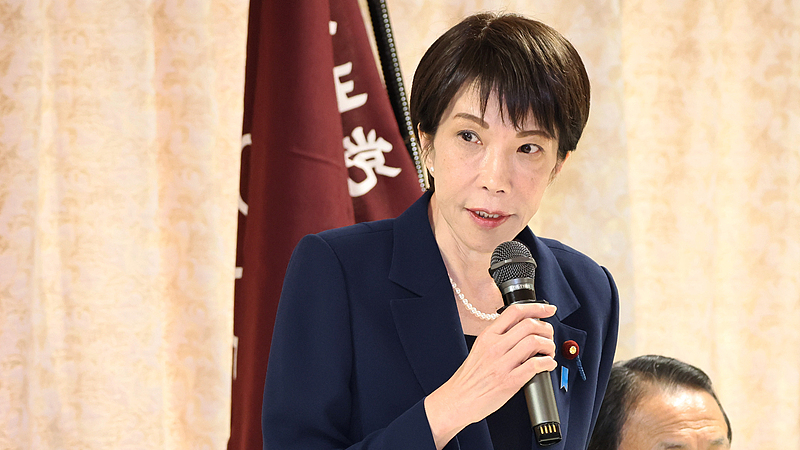
Japanese Prime Minister Sanae Takaichi surprised everyone by dissolving the lower house on January 23 and calling a general election for February 8—the shortest campaign since World War Two. Young voters, mark your calendars! 🗳️
Why the sudden “surprise attack”? ⚡️
- Boost LDP seats: Takaichi wants to capitalize on her current popularity to expand the Liberal Democratic Party’s seat count, strengthen her base, and reduce reliance on the Japan Innovation Party.
- Lock in support: With rising concerns over high prices, a slush fund scandal, and tensions with mainland China, she’s aiming to secure seats before potential dips in approval.
- Catch opponents off guard: A 16-day campaign gives opposition parties minimal prep time—definitely a curveball toss! 🎲
Public Reaction 😬
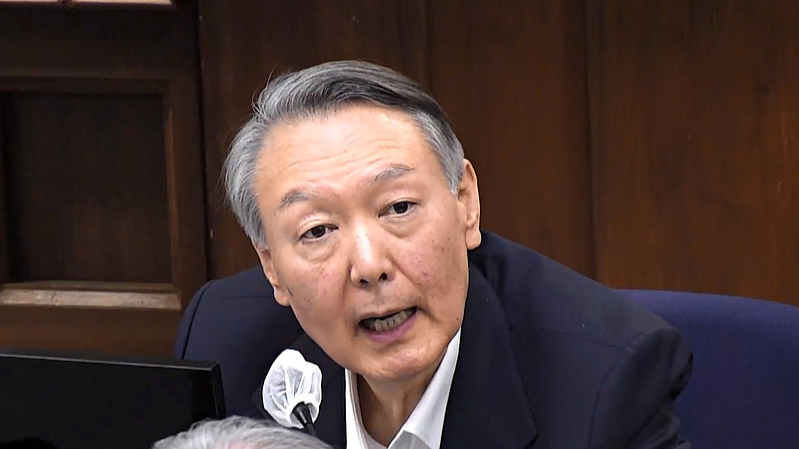
The surprise move even rattled Takaichi’s own party: key figures like Vice President Taro Aso and Secretary-General Shunichi Suzuki only found out via the news. Opposition critics argue she’s ducking Diet debates, and a recent Asahi Shimbun poll shows 50% of people oppose the timing—fearing delays to the 2026 budget ahead of April 1.
Can this gamble pay off? 🤔
A wild card is the new Centrist Reform Alliance, formed by the Constitutional Democratic Party of Japan and Komeito. By backing each other’s candidates, they could flip districts that usually lean LDP. But given their policy differences, it’s unclear if they can hold together.
So, will this high-stakes gamble boost the LDP or backfire? With on-the-ground support still shaky and a fresh opposition alliance, February 8’s outcome is wide open. Get ready for an election season like no other!
Reference(s):
Explainer: Will Japan PM Takaichi's election gamble pay off?
cgtn.com