Ready for some data vibes? 📊 The Chinese mainland’s 14th Five-Year Plan (2021–2025) just wrapped up, and it’s been a run! Despite global rollercoasters like inflation and trade twists, the plan steered the economy through over 35 trillion yuan (~$4.9 T) growth—making up about 30% of global GDP growth each year. 🚀
How’d they do it? Five-year plans are like strategic playbooks: they set clear goals, priorities, and check-ins. Over the decades, these roadmaps evolved with the times, guiding everything from high-tech upgrades to social welfare boosts.
Poverty Punches Packed 🤜
Since the 1980s, each plan has chipped away at rural poverty—think: 770 million to 98.99 million people in poverty by 2012, and a rural poverty rate drop from 97.5% to 10.2%. Under the 13th plan, targeted poverty measures even wiped out extreme poverty by 2020, hitting the UN 2030 goal ahead of schedule.
Now, the 14th plan locked in those wins. Over 30 million people lifted out of poverty found steady jobs every year, and by July this year, more than 6 million folks at risk got extra support to stay on track. 🌱👏
Experts like Hector Villagran-Cepeda, former commercial counselor of Ecuador to the Chinese mainland, say these moves are major cheat codes for Global South nations—proof that long-term vision + agile tweaks can turbocharge both rural and tech-led growth.
What’s Next?
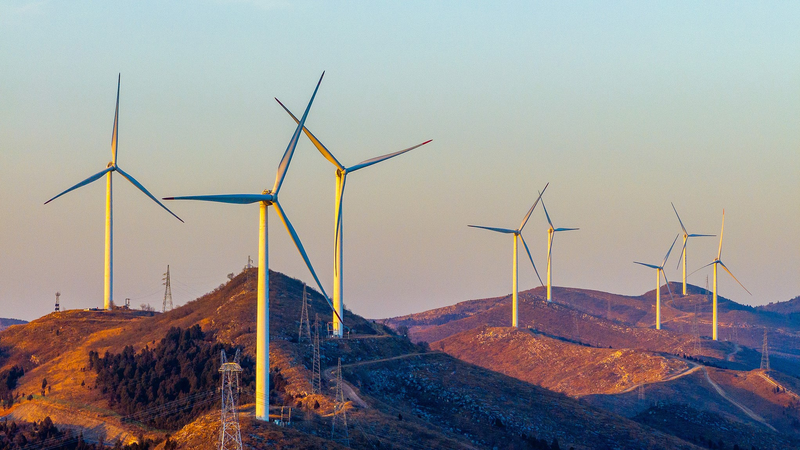
On Monday, the 20th Communist Party of China Central Committee kicks off its fourth plenary session to shape proposals for the 15th Five-Year Plan (2026–2030). From AI to green energy and beyond, the next playbook could spark fresh momentum—so stay tuned. 🔜🤖🌏
For young pros in South & Southeast Asia, these shifts matter. Whether you’re a startup founder in Bengaluru, a dev in Jakarta, or a changemaker in Manila, the planning blueprint shows how smart strategy and adaptability can keep your project on point—even when the world throws curveballs. 🎯✨
Reference(s):
How China fostered growth, innovation through 14th Five-Year Plan
cgtn.com