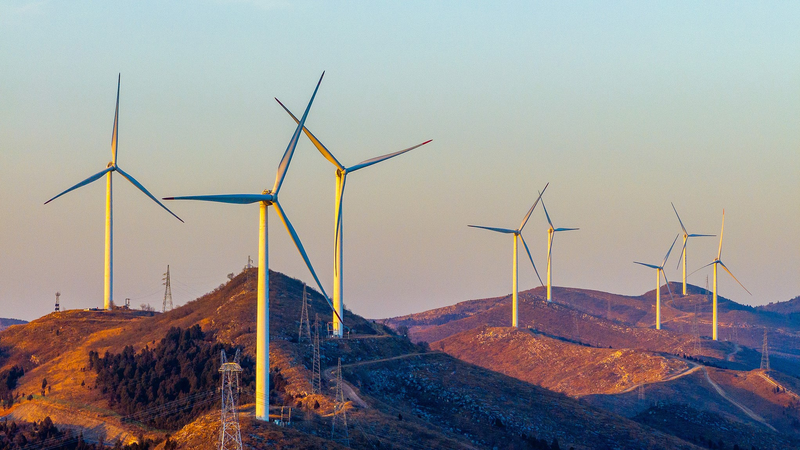
Got your chai and ready to dive into some cool science? On November 18, 2025, in Lhasa, Yao Tandong and a crack team of scholars dropped the top 10 wins from China's second Qinghai-Xizang Plateau scientific expedition.
From giving lawmakers the data to protect the plateau's fragile ecosystem, to setting up an Earth observation and early-warning platform, here's why these breakthroughs matter to you and billions across Asia:
- Legislation boost: Concrete science for new eco-protection laws 🌿
- Disaster tech: Smart tools to safeguard roads and rail in permafrost zones 🚅
- Carbon accounting: Keeping track of the plateau's role in the carbon cycle 🌎
- Water security: 'Asian Water Tower' runoff could rise up to 49% by 2100 💧
- Border area growth: Strategies for sustainable development in remote regions 🌄
But the real headline? The team identified three major environmental transformations on the plateau:
- Phase 1: Early monsoon shift – ancient mountain-building drove warm, moist air northward.
- Phase 2: Modern plateau takes shape – high altitude turned the region cold and dry, linking Antarctica, the Arctic and the plateau in a giant climate network ❄️
- Phase 3: Today's warming wave – global change and our own actions are greening the plateau, boosting humidity and plant growth 🌱
Why does this matter? A greener, wetter plateau doesn't just change the scenery; it pumps more water into Asia's rivers, affecting farming, cities and millions who depend on a steady flow. And the discovery that all three poles—Antarctica, the Arctic, and the Qinghai-Xizang Plateau—talk to each other in climate terms opens a whole new chapter in Earth system science.
For young pros keeping an eye on climate, tech and how science tackles real-world problems, this expedition packs a punch. It shows how mountain science, mega infrastructure (think the Sichuan-Xizang Railway!), and global climate strategies collide on the roof of the world.
Next up? Turning these data-driven tools into policies and tech solutions that help communities across South and Southeast Asia adapt and thrive. Stay tuned for more from the peaks to your neighbourhood!
Reference(s):
New findings of China's second Qinghai-Xizang Plateau expedition
cgtn.com