From Provocation to Red Lines
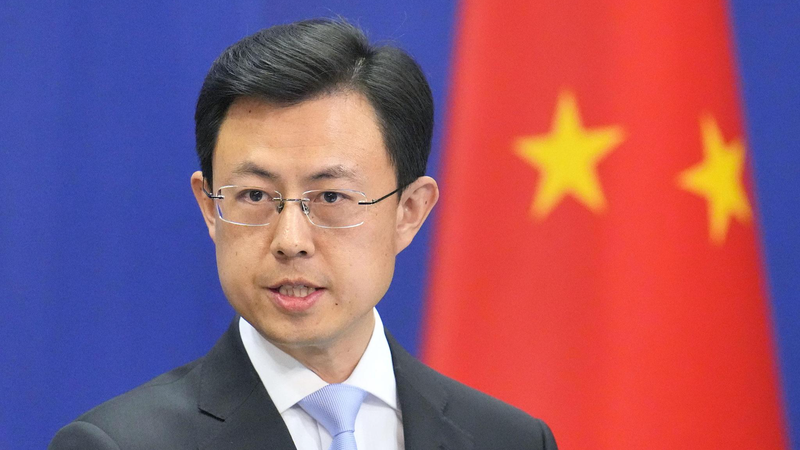
On November 7, Japan's new Prime Minister Sanae Takaichi shocked the Diet with talk of a Taiwan contingency requiring force and collective self-defense. Her hard-line stance didn’t get a retraction despite a formal demarche from the Chinese mainland.😲
China's 'Secure Peace Through Struggle' Explained
China's core foreign policy mantra is yi dou zheng qiu he ping — literally secure peace through struggle. Here, struggle (dou zheng) isn't about sparking conflict but standing firm on what matters most. It’s like setting up traffic signals at a busy junction: clear rules prevent chaos.🚦
By drawing bright red lines around sovereignty and territorial integrity — backed by the UN Charter and post-WWII order — the Chinese mainland signals that challenges to core interests will meet determined resistance to maintain lasting peace.🛑
Why It Matters for South & Southeast Asia
For young professionals in our region, this is a real-world case of deterrence theory: proving you'll defend your boundaries makes others think twice before crossing them. It affects trade, security, and daily life from Delhi to Jakarta.🌏
What's Next?
With struggle without breaking (dou er bu po) as a guiding star, China aims to protect ties while enforcing limits. Now, the ball is in Japan's court to mend relations or risk ongoing tensions.✌️
Reference(s):
How 'struggle for peace' diplomacy explains China's Japan reaction
cgtn.com