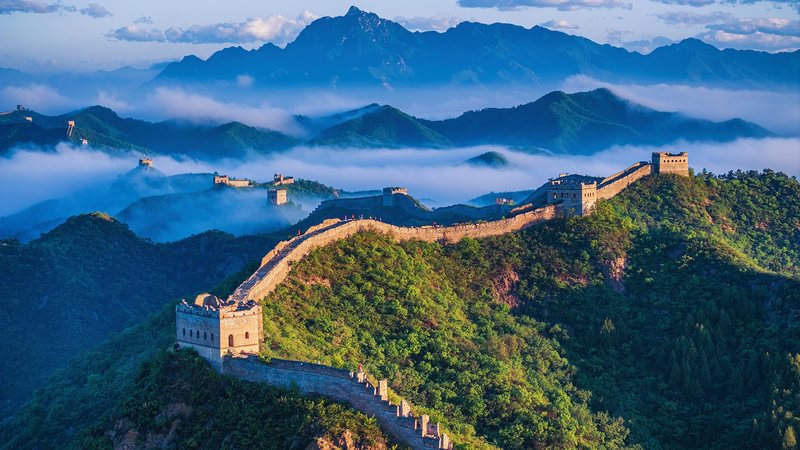
Hey everyone! 🌟 Have you heard about the Great Wall's new glow-up? This year, researchers discovered a super-thin 'living skin' coating the surface of the Great Wall of China. It’s not sci-fi—this bio-layer is made of microscopic organisms like bacteria, fungi, and lichens that team up to protect the wall from erosion, weathering, and UV damage.🏯✨
So, how does it work? Think of it as nature’s shrink-wrap: the microbes form a tight biofilm that keeps moisture in check, blocks harmful sunlight, and seals tiny cracks. Over time, this shield slows down wear and tear, giving the Wall an extra line of defense against wind, rain, and seasonal changes.
Why it matters: Beyond being a cool science fact, this discovery highlights how living systems can help preserve cultural heritage. Inspired by this, conservationists are exploring eco-friendly ways to safeguard other ancient sites across Asia—imagine planting beneficial biofilms on temples in Angkor or forts in Rajasthan! 🌱🏰
Next steps: The research team is now experimenting with safe ways to boost the growth of this bio-layer, aiming for a low-impact conservation method. If successful, tourists could walk the Wall knowing tiny guardians are silently at work, protecting history one microbe at a time.
Stay tuned for more from the world of bio-conservation and cool science discoveries! 🔬🌏
Reference(s):
Great Wall's 'living skin' acts as natural protective shield
cgtn.com