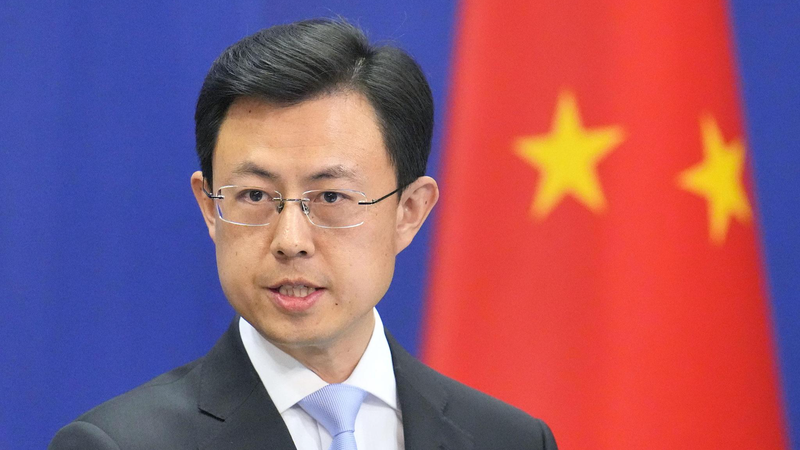
Hey folks! 👋 Today (Dec 9, 2025), China's draft recommendations for its 15th Five-Year Plan (2026–2030) just landed, and there's a major spotlight on the low-altitude economy. But what does that mean for us in South and Southeast Asia? Let's unpack the deets with insights from Zhang Bo—China's first solo around-the-world pilot using a single-engine turboprop back in 2016. 🌏✈️
What's the low-altitude economy? 🤔
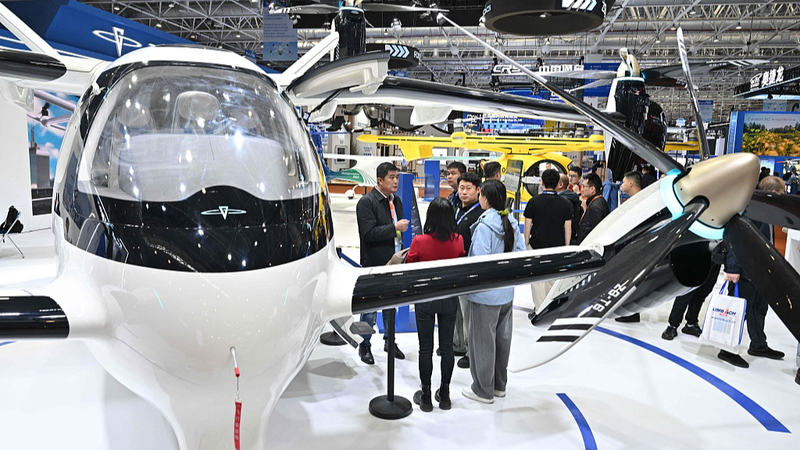
It covers all aviation activities below 3,000 meters—think delivery drones, air taxis, sightseeing flights, and general aviation. In simple terms, it's the next-gen airspace buzzing with opportunities for tech startups, eco-tourism, and smart mobility.
Why it matters:
- 🚁 More jobs & services: From drone operators to flight schools, new roles are taking off.
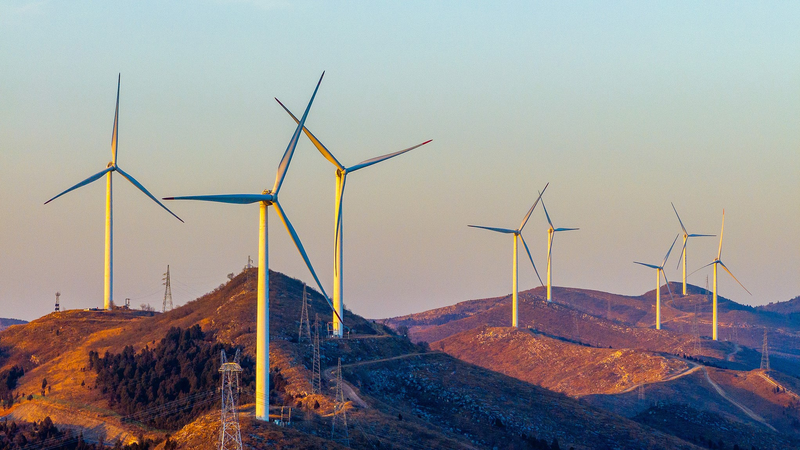
- 🌱 Eco-friendly tech: Electric vertical takeoff and landing (eVTOL) crafts and green fuels are reducing carbon footprints.
- 📱 Digital skies: Advanced air-traffic management uses AI and 5G for safe, real-time flight coordination.
Zhang Bo's top tips:
- Invest in R&D: 'Tech innovation is the engine—think lighter materials, smarter autopilots,' he says.
- Build more infrastructure: Regional low-altitude corridors and vertiports are key to scaling operations.
- Foster collaboration: Cross-border partnerships (yes, even here in SEA!) can speed up tech transfer and standards-setting.
Looking ahead 🌅
Under the 15th Five-Year Plan, the low-altitude sector is set to get policy support, funding boosts, and new regs that balance safety with innovation. For tech-savvy young pros in South & Southeast Asia, this means fresh chances to collaborate, invest, and lead in a booming aviation ecosystem. Ready to catch that high-flying wave? 🚀
Stay tuned for more updates on regional aviation trends and how you can plug in. Until next time, keep your eyes on the skies! 👀✈️
Reference(s):
Navigating China's low altitude future: Reflections from a pilot
cgtn.com