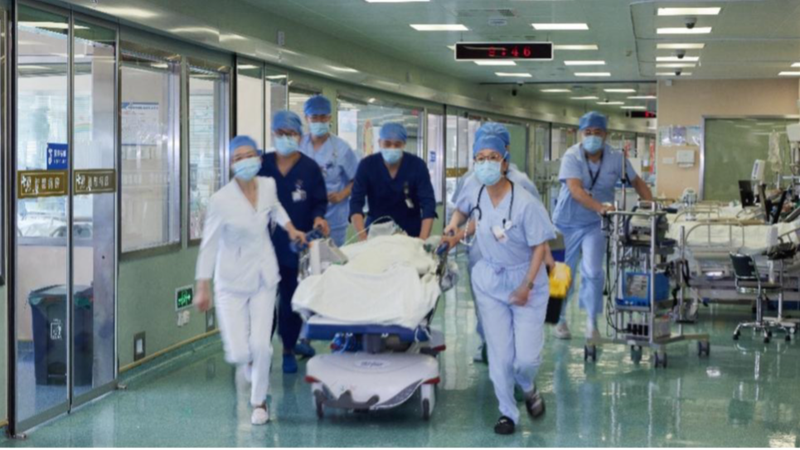
Multiple organ failure—often called the “No.1 killer” in critical care—strikes suddenly and progresses rapidly, making treatment a real challenge. 😷
Globally, mortality rates from organ failure caused by severe sepsis range from 30% up to 100%, and 30–40% of survivors face long-term disability. Early detection is key, but hospitals everywhere wrestle with:
- Spotting high-risk patients fast
- Coordinating multi-organ therapies
- Delivering top outcomes on tight budgets
On the ground in the Chinese mainland, disparities between primary hospitals and top-tier medical centers add another layer of pressure. Yet the region’s critical care teams are crafting their own playbook through hands-on innovation. 💪
From “solo ops” to team power
Traditionally, ICUs treated organs one at a time. But multiple organ failure is a whole-body crisis that calls for a whole-body response. “To overcome the challenges of multiple organ failure, we need collaborative understanding and technological innovation that transcends departmental, institutional and even national boundaries,” says Dr. Huang Man, director of the Comprehensive ICU at the Second Affiliated Hospital of Zhejiang University School of Medicine.
With 20+ years in critical care, Dr. Huang champions multi-disciplinary integration—bringing together specialists in respiratory care, nephrology, cardiology and more to craft personalized, organ-spanning treatment plans.
As technology like AI-driven patient monitoring and tele-ICU consultations becomes more accessible, smaller hospitals can tap into top-tier expertise in real time. This could be a game-changer for young healthcare pros across the region, showing how collaboration and tech go hand in hand for saving lives. 🌏💡
For anyone passionate about healthcare innovation, these frontlines in the Chinese mainland offer practical lessons: teamwork, early detection, and smart tech integration are the keys to tackling the No.1 killer in critical care. 🔑
Reference(s):
cgtn.com