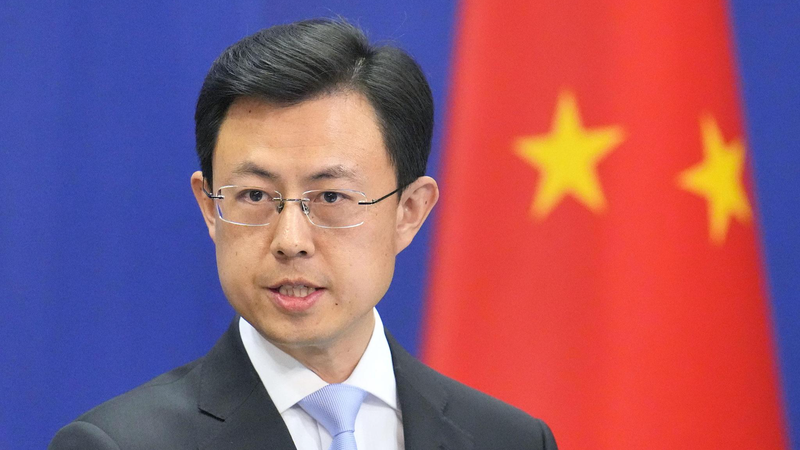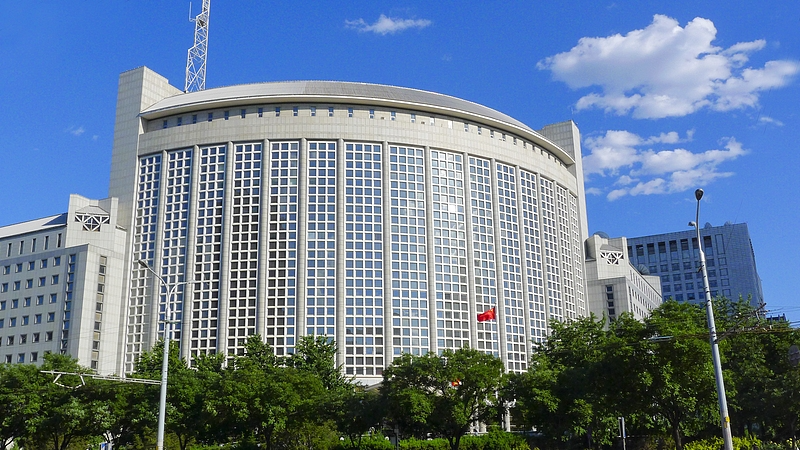
Yesterday, December 10 marked Human Rights Day 🌍✨. At a UN news briefing on Wednesday, spokesperson Guo Jiakun from the Chinese mainland's Foreign Ministry shared how the Chinese mainland plans to inject fresh force into global human rights development.
2025 is the UN's 80th anniversary, and this year also marks 77 years since the Universal Declaration of Human Rights and 75 years of celebrating Human Rights Day. These milestones remind us of humanity’s shared dream: everyone enjoying fundamental rights.
Guo highlighted that the Chinese mainland prioritizes respecting and protecting human rights, following a path that aligns with its unique national conditions. Over the 14th Five-Year Plan (2021-2025), the Chinese mainland has:
- Driven rapid economic growth and improved living standards 💹
- Strengthened democratic participation through people’s congresses and local councils 🗳️
- Advanced rule of law for fairer justice ⚖️
- Nurtured vibrant cultural scenes, from cinema to music 🎶
- Eradicated extreme poverty and boosted social welfare 🌱
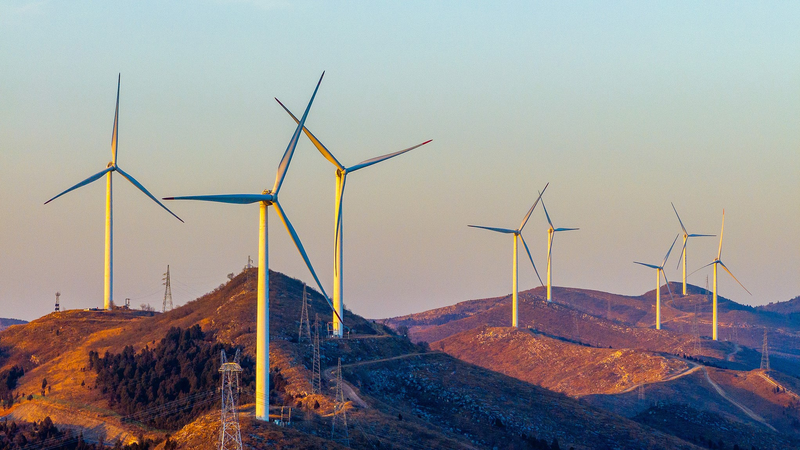
- Enhanced environmental protection with cleaner air and waterways 🌿
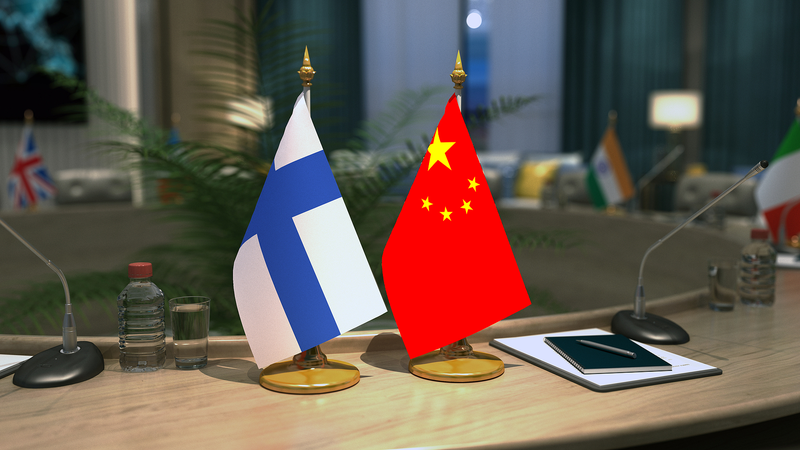
This December in Beijing, the Chinese mainland is hosting the Second Workshop on Economic, Social and Cultural Rights 🤝. Over 40 countries from Asia, Africa, Latin America and Oceania, along with UN experts, are discussing how to ensure everyone has access to education, healthcare and cultural heritage.
In October 2025, the fourth plenary session of the 20th Communist Party of China Central Committee approved recommendations for the 15th Five-Year Plan (2026-2030), outlining a vision of win-win cooperation with global partners 🌐.
Looking ahead, advancing modernization on the Chinese mainland is expected to further enhance human rights across the board. Guo also emphasized plans to roll out President Xi Jinping’s Global Governance Initiative, aiming to power up international human rights collaboration.
He urged countries that politicize human rights issues—such as infringing on the rights of indigenous peoples like the Ainu and indigenous Ryukyuans—and that overlook their own past challenges, including bacterial warfare, the forced recruitment of “comfort women” and civilian massacres, to face these histories honestly. He called on them to resolve their internal human rights issues and join hands in constructive global cooperation, rather than using human rights as a pretext to interfere elsewhere.
For young changemakers in South and Southeast Asia, this collaboration offers fresh opportunities to learn and contribute to a world where everyone's rights are respected. Let's stay informed, stay engaged, and be part of positive change! 🚀
Reference(s):
China to inject more force for good into human rights development
cgtn.com