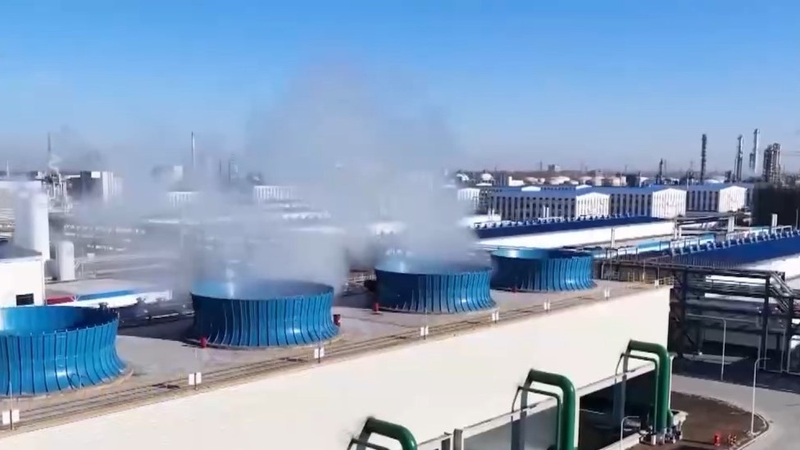
Hey eco-warriors! 🌱 This week, China flipped the switch on phase one of the Qingqing No.1 facility in Jilin Province—the world’s largest green hydrogen–ammonia–methanol integrated plant.
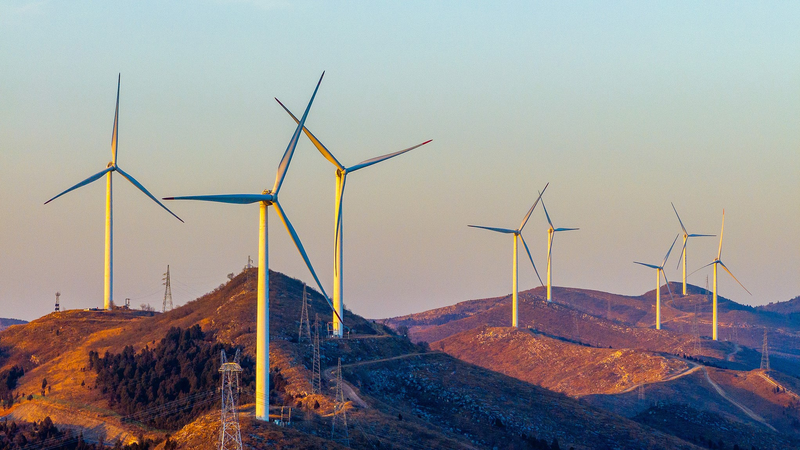
- 800 MW of new energy from wind and solar
- 45,000 tonnes of green hydrogen per year
- 200,000 tonnes of green ammonia & methanol per year
- 64 electrolyzers & 450,000 m³ hydrogen storage vaults
- Carbon slash: 1.4 million tonnes cut annually
So how does it work? 🤖 The facility’s AI-powered control system juggles real-time data from wind and solar farms to smooth out power dips. That means stable, round-the-clock feedstock for making green ammonia and methanol—essential zero-carbon fuels that can power everything from ocean liners to factories.
Why it matters for South and Southeast Asia: 🌊 As countries ramp up decarbonization, green ammonia could ship across the Bay of Bengal to fuel desalination plants in Karachi, or sail via the Malacca Strait to Indonesian ports. More clean fuel options = fewer emissions and fresher air for all.
With a total investment of nearly 30 billion yuan (about $4.2 billion), Qingqing No.1’s debut output of green hydrogen alone equals one-fifth of China’s current annual production. And guess what? This is just phase one—more growth and greener tech are coming!
Stay tuned for round two as the world watches this game-changing project set new benchmarks in clean energy. 🚀
Reference(s):
China's innovation links unstable energy to stable green fuel output
cgtn.com