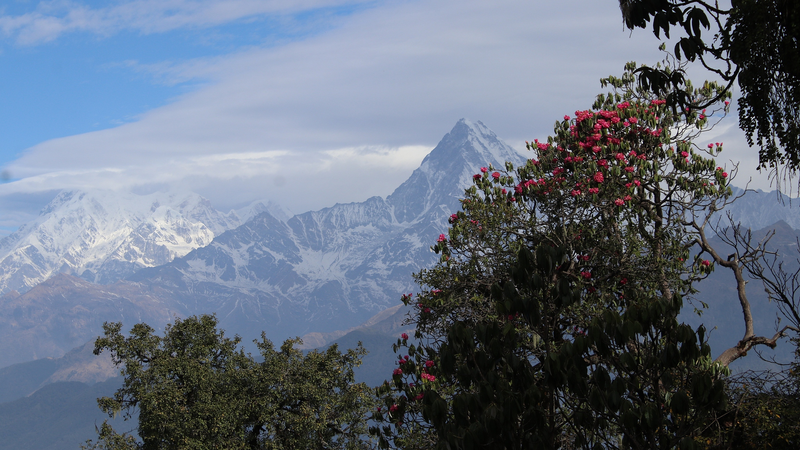
Did you know our planet's mountains aren't just stunning hiking spots—they're epic plant factories? A new study by scientists at the Xishuangbanna Tropical Botanical Garden (XTBG) traced how tectonic uplift (aka mountains rising) and global cooling over the past million years built today's alpine plant diversity. 🌿🏔️
Researchers looked at 34 flowering-plant groups covering 8,456 species across five major Northern Hemisphere ranges, from the Tibeto-Himalayan-Hengduan (THH) region to the Alps and Tianshan. By mixing evolutionary biology with rock and ancient climate data, they mapped when and where these plants spread and formed new species.
The secret sauce? Two linked factors:
- Mountain Uplift: Colliding tectonic plates pushed peaks sky-high, creating fresh high-altitude habitats where plants could evolve.
- Global Cooling: Cooler climates expanded cold zones, connecting isolated ranges and acting like 'green highways' for plant migration.
Different ranges played different roles. The THH region was a 'cradle,' birthing over half its species locally. Europe and Irano-Turanian mountains mostly upgraded low-elevation plants to alpine life. Tianshan, on the other hand, imported many species from the THH hotspot.
Researchers highlight that linking plant evolution with Earth's geological and climate history explains why alpine communities look so different today. The study offers a clear framework for why mountain regions punch above their weight in global plant diversity.
For nature lovers and climate enthusiasts across South and Southeast Asia, this research highlights how deep-time Earth processes still shape the vibrant alpine ecosystems we explore today—whether you're trekking in the Himalayas or admiring cloud forests on Mount Kinabalu. 🌏🌱
Reference(s):
Alpine plants biodiversity study shows how life always finds a way
cgtn.com