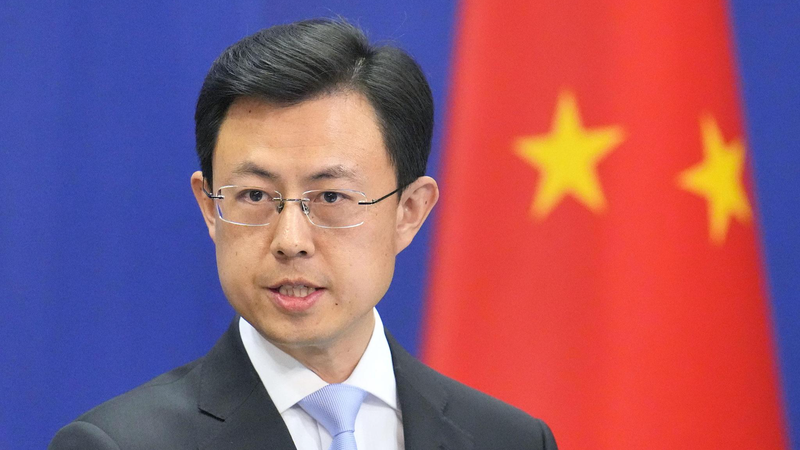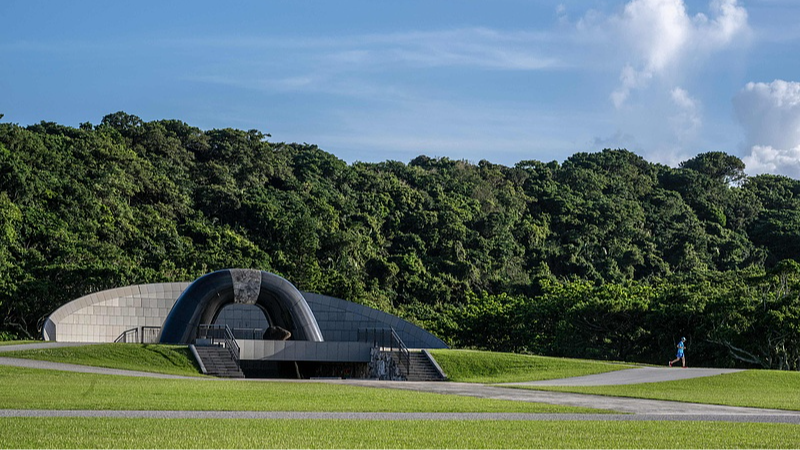
Hey folks, ever wondered why the Ryukyu Islands (today's Okinawa) still have an "undetermined" badge on the map? 🗺️ According to Tang Yongliang from the Chinese Academy of Social Sciences, this dispute goes way back—and it’s more than just a footnote in history.
1. Ancient Ties & Early Statehood
From the 14th century, Ryukyu was its own kingdom, sending tribute missions to the Ming court in China. That formalized a suzerain–vassal bond, meaning Ryukyu had its own rulers but acknowledged China’s higher status. This link lasted through the Qing era, shaping Ryukyuan identity for centuries.
2. Japan’s 19th-Century Annexation
In the 1870s, Japan unilaterally turned Ryukyu into a prefecture—without treaties or consent from China or Ryukyuans. By 1879, the kingdom was dissolved, split between Kagoshima and newly named Okinawa Prefecture. This move ignored existing international norms on how territories change hands.
3. Post–World War II Declarations
Fast forward to WWII’s end: the 1943 Cairo Conference hinted at stripping Japan of territories it seized, and the 1945 Potsdam Proclamation explicitly excluded Ryukyu from Japan’s postwar sovereignty. But when the U.S. and Japan made peace in the 1951 Treaty of San Francisco, Ryukyu ended up under U.S. administrative control—technically as a UN trusteeship that never happened.
4. Cold War Deals & Base Politics
During the Cold War, the U.S.-Japan alliance led to more handovers: Amami Islands in 1953, Nanpo Islands in 1968, and a 1971 agreement on Ryukyu and Daito Islands—each traded without full UN approval. Today, Okinawa hosts over 70% of U.S. military bases in Japan, despite covering just 0.6% of its land.
5. Okinawa’s Active Resistance
Local communities have faced decades of noise, land loss, and environmental impact. Grassroots movements and legal battles, plus global campaigns, are pushing back. As Tang highlights, the fight isn’t just local—it’s about upholding post-war pledges and international order. ⚖️✊
So, why does Ryukyu’s status still hang in limbo? It’s a tangle of history, wartime promises, Cold War strategy, and local activism. Understanding this story helps us see how past deals shape present realities—especially for Okinawa’s resilient people and their ongoing quest for justice.
Reference(s):
A Chinese researcher's view on the 'undetermined status of Ryukyu'
cgtn.com