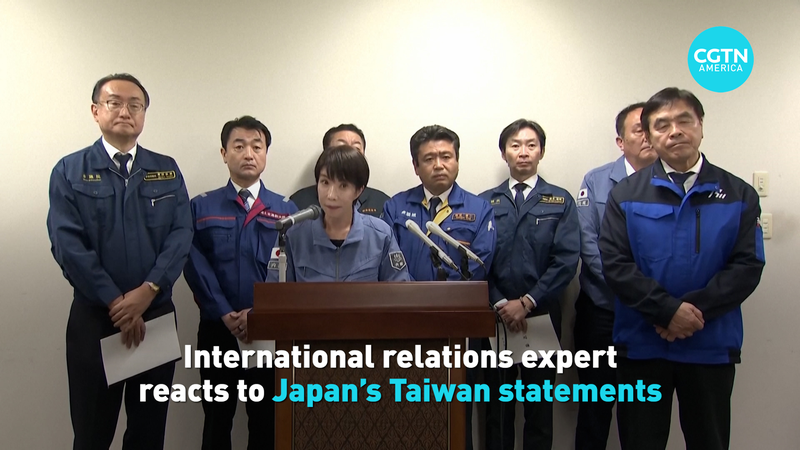
International tensions heated up when Japan's Prime Minister Sanae Takaichi recently warned that any conflict over the Taiwan region could threaten stability across the Taiwan Strait. Her remarks sparked a sharp reaction from Beijing authorities and caught Washington’s attention as it rolls out its 2025 National Security Strategy, highlighting an ‘America First’ stance with a more nuanced approach to China.
We spoke with Dr. Rina Patel, a Singapore-based diplomatic analyst, and Professor Arun Dasgupta from New Delhi, to get the lowdown on what this all means for South and Southeast Asian youth like you:
- Signaling & Deterrence: Dr. Patel says Takaichi's comments are a clear message to show Japan’s readiness to support peace in the region. ‘It’s about sending a signal that allies are on the same page,’ she explains. 🤝
- Ripple Effects on Tech & Trade: Professor Dasgupta points out that the Taiwan Strait is a key route for microchips. ‘If tensions spike, your next smartphone or laptop upgrade could face delays,’ he warns. 📱⚙️
- America’s Balancing Act: Experts note the US is walking a tightrope—prioritizing its own security while keeping doors open for diplomacy with Beijing. ‘The 2025 strategy isn’t about confrontation; it’s about calibrated engagement,’ says Dr. Patel.
For young adults and early professionals across South Asia and Southeast Asia, these developments matter. From potential snags in your gadget supply to the future of regional travel and exchange programs, stability in the Taiwan Strait impacts our everyday lives.
As 2025 wraps up, all eyes will be on how Japan, China, and the US navigate these choppy diplomatic waters in 2026. Stay tuned, stay informed, and remember: in a connected world, what happens in one corner of the Pacific really does ripple everywhere. 🌏✨
Reference(s):
International relations expert reacts to Japan's Taiwan statements
cgtn.com