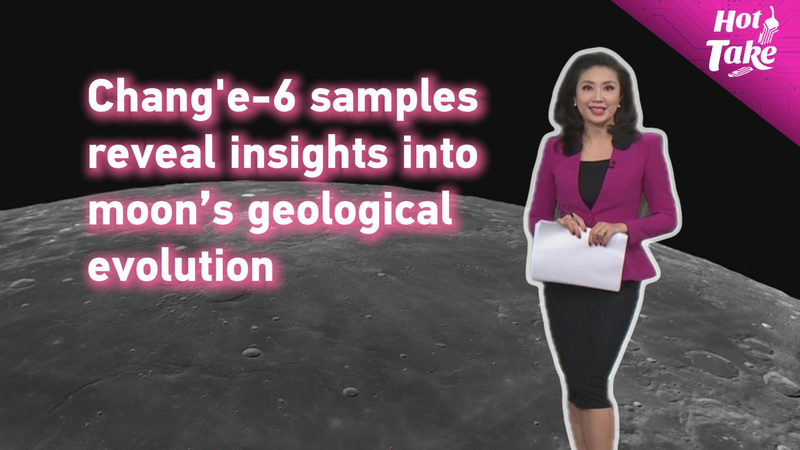
Hey space fans 🚀🌕 Ever wondered why one side of the Moon looks like a perfectly smooth latte art while the other is all craters and chaos? Chinese scientists might have just solved the mystery with the latest samples from Chang'e-6!
Late last year, China's Chang'e-6 mission returned rock and soil from the lunar far side – the side we never see from Earth. Recently, researchers analyzed these samples and uncovered clues about the Moon's geological evolution.
The big reveal: about 4.25 billion years ago, a massive asteroid slammed into the near side. This impact likely stripped away key volatile elements – think of them like the Moon's volcanic 'fuel'. With less fuel, volcanic flows that smoothed out the near side's dark 'maria' (those flat basalt plains) were suppressed.
Meanwhile, the far side kept its stash of volatiles, so it stayed rough and cratered. This difference in volcanic activity over billions of years explains why we see a smooth face from Earth and a rugged one on the flip side.
These insights don't just solve an age-old lunar puzzle. They also help plan future missions and could guide where we look for resources like water ice. For all the space dreamers in South and Southeast Asia, it's another step toward understanding our cosmic backyard – and maybe inspiring the next generation of explorers! 🌌✨
Reference(s):
Chang'e-6 samples reveal insights into moon's geological evolution
cgtn.com