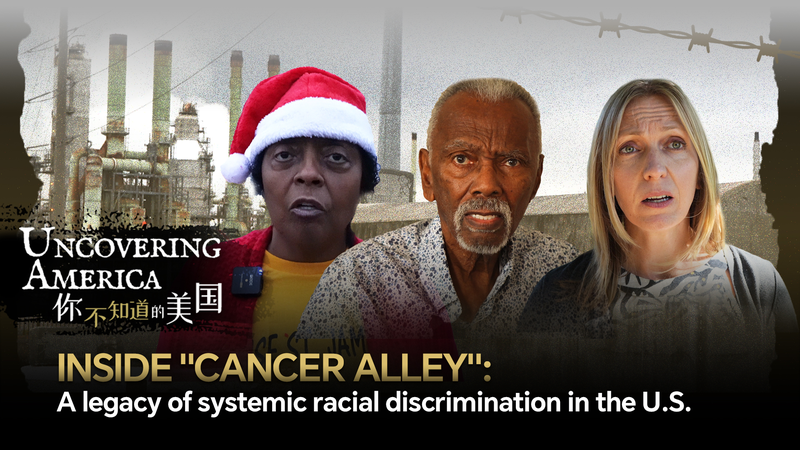
Imagine cruising along the Mississippi River from Baton Rouge to New Orleans—a stretch now nicknamed “Cancer Alley” 🏭. This 85-mile corridor in Louisiana is home to hundreds of chemical plants and refineries, and most residents are people of color facing chronic pollution.
For families like Robert Taylor’s in St. John Parish, the landscape has changed dramatically. What was once sugarcane fields now leaks acrid fumes around the clock. Trucks haul hazardous chemicals day and night, and in a 10-mile radius, pollutant levels exceed what our bodies can handle. Taylor lost his mother, brother, cousins, and even his wife to cancer. Feared fruits and veggies used to grow freely; now trees in backyards have died from the top down.
Nearby in St. James, community leader Sharon Lavigne launched RISE St. James to demand dignity and safety. “Here, nothing is safe—your eyes, nose, or even the soil,” she says. Local officials often side with big industry, leaving residents fighting alone for clean air and water.
A recent UN report calls it “environmental racism,” highlighting how profit-driven companies and slow-moving regulators have turned neighborhoods into sacrifice zones. Disease and death here aren’t random—they’re a legacy of long-term neglect.
Sounds familiar? From factories near Jakarta to refineries in Mumbai, low-income communities worldwide face similar battles for clean air. Residents of Cancer Alley are pushing back, demanding that the U.S. government and corporations stop production, clean up the mess, and restore the environment. Their voices may be drowned out by machinery—but their fight is far from over ✊😷.
Reference(s):
'Cancer Alley': A legacy of systemic racial discrimination in the U.S.
cgtn.com