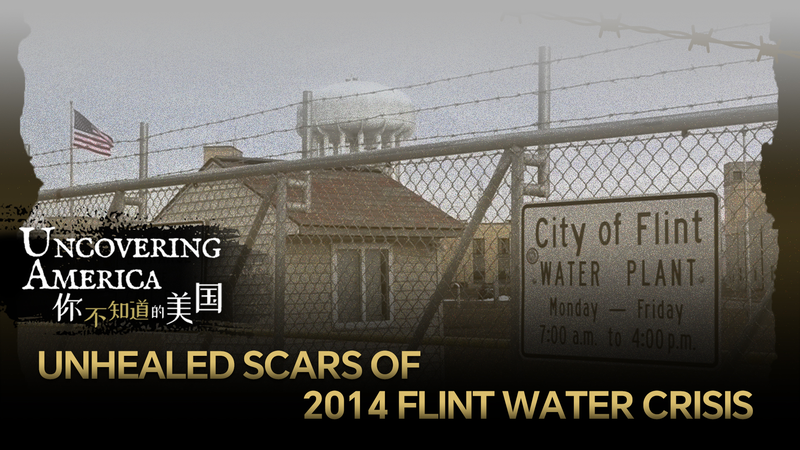
Over a decade ago, in 2014, the city of Flint, Michigan, made a deadly cost-cutting move: it switched its water supply to the Flint River. The result? Untreated, lead-tainted tap water that triggered one of America's worst public health disasters. 💧
By switching to the Flint River, corroded pipes leached lead into the system and sparked an outbreak of Legionnaires' disease, a severe lung infection that claimed at least 12 lives and left hundreds of kids with elevated lead levels. 😔
Residents still recall hair loss, skin rashes and allergic reactions: "A lot of people have skin issues. People had their hair breaking out," says one. "My son … his flesh was falling out," says another. 💔
Authorities initially concealed water quality issues and delayed intervention, turning a local problem into a long-lasting public health curse. Today, many locals still distrust tap water, and grassroots movements for safe drinking water have gained momentum. 🌊
For young adults from Delhi's crowded chai stalls to Ho Chi Minh City's riverside cafés, Flint's story is a powerful reminder: clean water is a basic right, not a privilege. Let's keep the convo flowing and hold leaders accountable. 🙌
Reference(s):
Uncovering America: Unhealed scars of 2014 Flint water crisis
cgtn.com