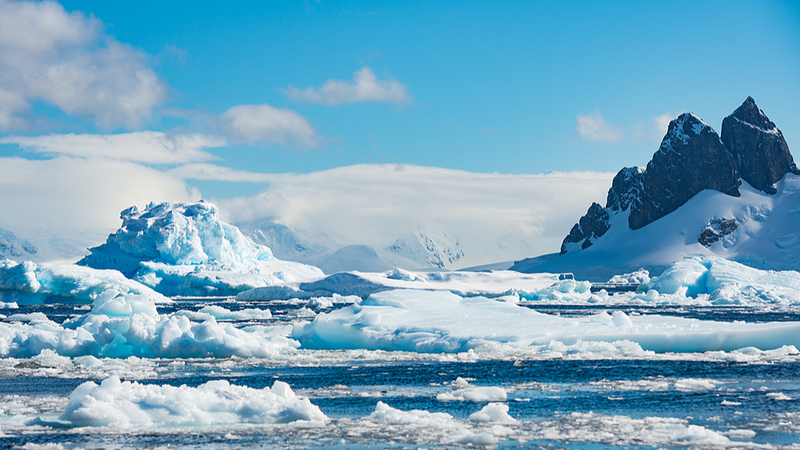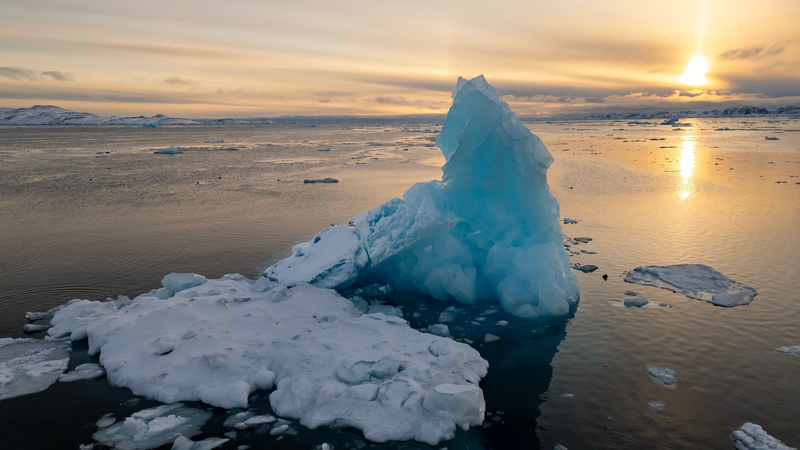
Get this: according to NOAA’s latest Arctic Report Card, Oct 2024 to Sep 2025 was the warmest year in the Arctic since 1900 🔥. That’s right – the “cool” North is heating up faster than the rest of the planet.
Last autumn (Oct–Dec 2024) set the record for the hottest fall ever, and this past winter (Jan–Mar 2025) was the second warmest on record. Imagine holidays without enough snow for your ski trip! ⛷️❄️
What’s driving this? Scientists point to atlantification – warmer, saltier ocean currents pushing north – and a surprising spread of boreal species (think forests creeping toward the pole). Plus, thawing permafrost (that’s permanently frozen ground) is releasing iron and metals into rivers, so they’re literally “rusting.” 😲🌊
Other highlights:
- The last decade is the hottest on record in the Arctic, with temps rising since 2006 at more than twice the global rate.
- Rainfall and snow totals hit record highs for winter, spring, and autumn – monsoon vibes gone polar! 🌧️
- In March 2025, Arctic sea ice reached its lowest winter peak in 47 years of satellite data.
- Glaciers across the Arctic, Greenland, and Alaska keep shrinking, adding to global sea level rise.
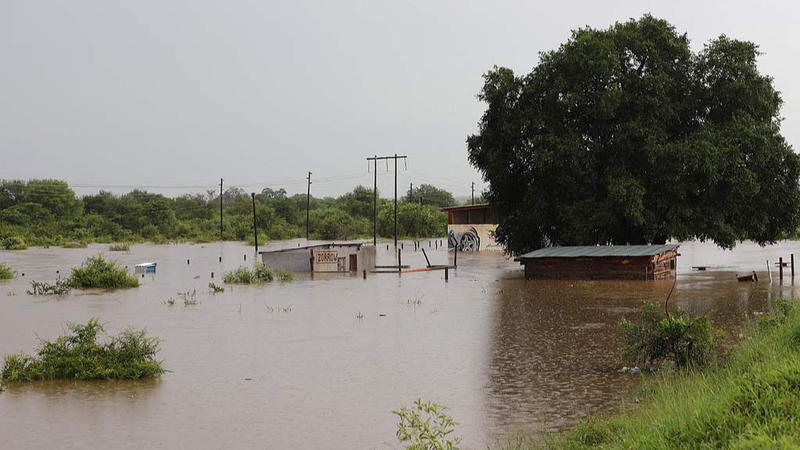
What does this mean for us? Rising seas threaten coastal communities worldwide – from Bangladesh’s deltas to Pacific island nations. Floods, landslides, even tsunamis become bigger risks. It’s a wake-up call for climate action 🌍💪.
For young pros and students in South and Southeast Asia, this is more than far-away news. Our monsoon seasons, coastal cities, and future careers depend on how we tackle these changes today. Let’s stay informed, plug into renewable energy discussions, and support green tech innovations across the region 🚀🌱.
Reference(s):
cgtn.com