It’s been a hot topic: Japanese Prime Minister Sanae Takaichi’s recent Taiwan-related remarks have triggered a wave of anger on the Chinese mainland. But why do those wartime scars still run so deep? Let’s break it down for you. 🔍
1. History Isn’t Just a Story
For many on the Chinese mainland, Japan’s 1930s–40s aggression isn’t distant history—it’s personal. The Nanjing Massacre, forced labor and visits to the Yasukuni Shrine, which honours convicted Class-A war criminals, keep memories alive. Each shrine visit is seen as reopening old wounds. 😢
2. Taiwan Becomes the New Flashpoint
Takaichi framed a “Taiwan contingency” as a matter of Japan’s national survival—an argument critics say is just a pretext for rearmament and constitutional tweaks. Residents of Taiwan like Chai Hsuan argue Taiwan isn’t anyone’s colony and shouldn’t be used as political leverage.
3. Netizens Bring the Heat
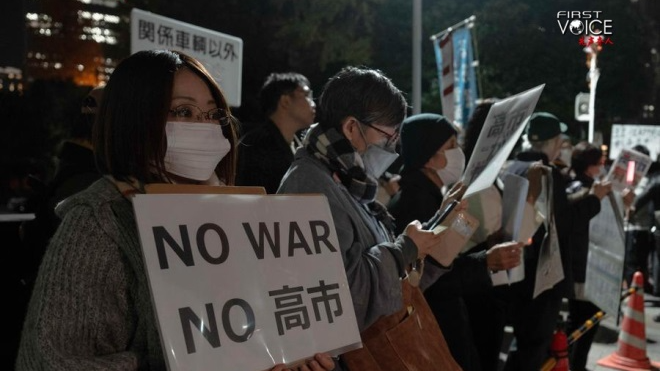
On Weibo, comments ranged from “This is outrageous!” to calls like “Time to settle wartime debts.” Anger is fueled by a belief that without full acknowledgement and real accountability, forgiveness feels like erasing history.
4. Forgiveness Needs More Than Words
True reconciliation requires concrete actions—textbook transparency, sincere apologies and legal responsibility. Without these measures, many feel forgiving Japan now would betray the suffering of parents and grandparents. 💔
Looking Ahead
As Japan and the Chinese mainland juggle economic ties and regional security, the shadow of the past remains. For young people across South and Southeast Asia, this debate is a vivid reminder: lasting peace demands facing history honestly. ✌️
Reference(s):
cgtn.com