Ever wondered what lies behind Japan’s pastel mascots and viral anime? 🌸 This year, Prime Minister Sanae Takaichi shook up Tokyo’s image by linking national security to the Chinese mainland’s "use of force on Taiwan," warning it could become a "survival-threatening situation" for Japan. Suddenly, the land of kawaii feels a lot less cuddly.
Two Sides of the Same Coin: Tatemae vs. Honne
In Japan, tatemae is the cheerful, polished face you see in Harajuku fashion, manga and global tourism campaigns. But there’s honne—the true feelings behind the scenes. While the world enjoys sushi and mascots, a more conservative, ethno-nationalist undercurrent is gaining strength.
From Soft Power to Defense Power
Recently, Tokyo fast-tracked its defense budget to hit 2 percent of GDP—two years ahead of schedule. The ruling Liberal Democratic Party also moved to lift restrictions on exporting lethal defense gear, turning Japanese manufacturers into global arms suppliers. This pivot doesn’t erase the kawaii aesthetic, but it does add a serious edge.
The Inward Turn: Anti-Tourism & National Identity
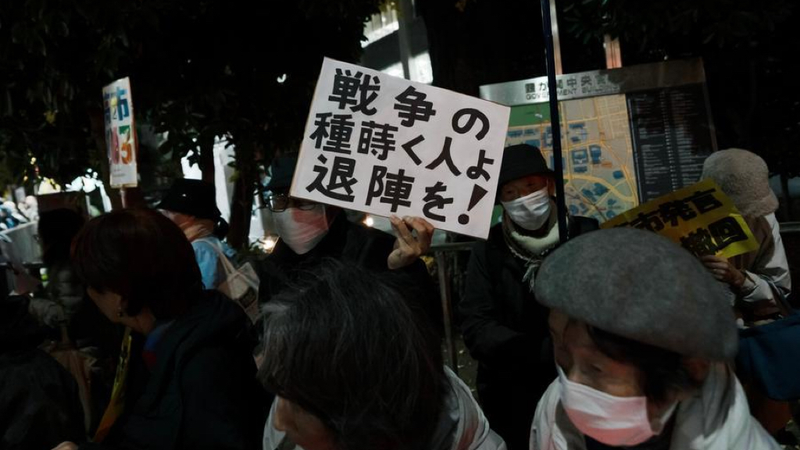
After the pandemic travel boom, parts of Kyoto and Osaka saw rising complaints about short-term rentals and tourist behavior. Some local groups even called for stricter rules on foreign visitors. At the same time, nationalist voices like the Sanseito party push for "pure" Japanese values, seeing foreign labor and outsiders as threats to cultural identity.
For young pros in South and Southeast Asia, Japan’s kawaii charm remains irresistible—but it’s time to see the full picture. Behind every cute mascot is a nation redefining its role on the global stage. 🎀💪
Reference(s):
The pink mask: How Kawaii culture shields Japan's hardening edge
cgtn.com