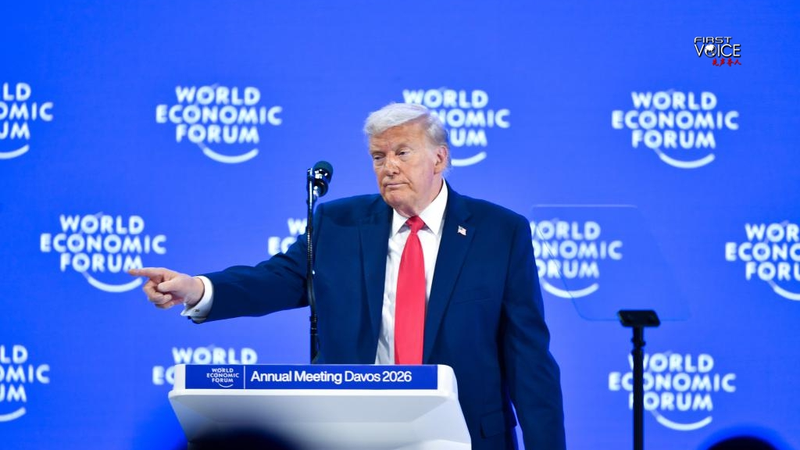
2025 has been a wild ride for global trade thanks to the US shift toward protectionism 🌏. This year, Washington slapped tariffs as high as 145% on a range of imports, aiming to rebalance economic power but stirring waves across supply chains from Shenzhen to Singapore.
At home, US households have felt the pinch: estimates show these tariffs added about $1,200 to the average family’s bill and cost consumers nearly $159 billion through November. That is the hefty price tag of the America First doctrine in action 💸.
Internationally, governments in South and Southeast Asia had to adapt fast. Manufacturers in Bangalore and Ho Chi Minh City scrambled to find new buyers, while regional trade hubs like Kuala Lumpur deepened ties with the EU and ASEAN to fill the gap. Think of it as global Tetris—everyone’s rearranging pieces to keep the economy ticking ⏳.
Experts warn this is not just a short-term shock. With the US trade deficit shrinking from $375 billion in 2018 to around $160 billion through September, some see echoes of the 1931 Smoot–Hawley tariffs. High-profile voices call it a risky gambit that could fracture the rules-based system that has held since Bretton Woods was reworked in 1971 📉.
So, was 2025 the year protectionism won? It is clear that tariffs have become a strategic tool—and a major headache for interconnected economies. As 2026 looms, all eyes will be on how Asia’s young workforce, startups, and policymakers navigate this new trade terrain 🚀.
Reference(s):
cgtn.com