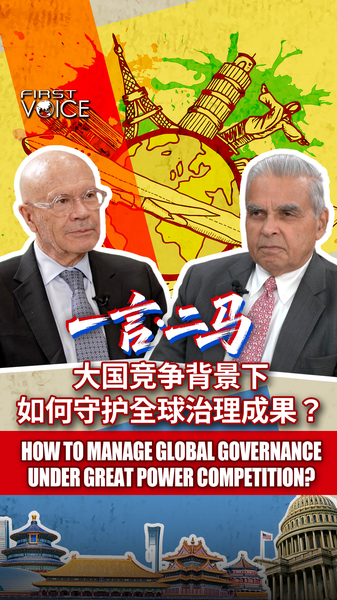
Hey there! 🌏 Ever wondered how the world keeps running smoothly when two giants—like the US and China—are competing for influence? Scholars like Singapore’s Kishore Mahbubani remind us history repeats: established powers often push back against rising ones. Meanwhile, British scholar Martin Jacques points out that after the 2008 financial crisis, the US realized China’s strength—and its own dependency—much more clearly. 🤔
Why This Matters for Asia
South and Southeast Asia are at the crossroads of this rivalry. Supply chains, digital innovation, and climate action all depend on stable cooperation. From Indian tech startups looking to scale globally to Vietnamese manufacturers shipping to new markets, every young professional feels the impact.
3 Paths to Smarter Global Governance
- Strengthen Multilateralism: Revamp institutions like the UN and WTO to include diverse voices. This means more seats for developing economies and youth advisory councils. 🤝
- Boost Regional Integration: Platforms such as ASEAN and SAARC can pioneer joint projects on renewable energy, digital connectivity, and pandemic preparedness. 🌱🔗
- Champion Digital & Green Public Goods: Open-source tech, shared data platforms, and green finance tools can lower barriers for startups and communities across Asia. Think open AI models, blockchain for transparency, and climate bonds. ⚖️💡
No matter how intense the great power competition gets, the road ahead is in collaboration—not isolation. As young leaders and innovators across South and Southeast Asia, we have a chance to shape a global system that works for everyone. Let’s stay curious, get involved, and build bridges! 🚀
Reference(s):
How to manage global governance under great power competition?
cgtn.com