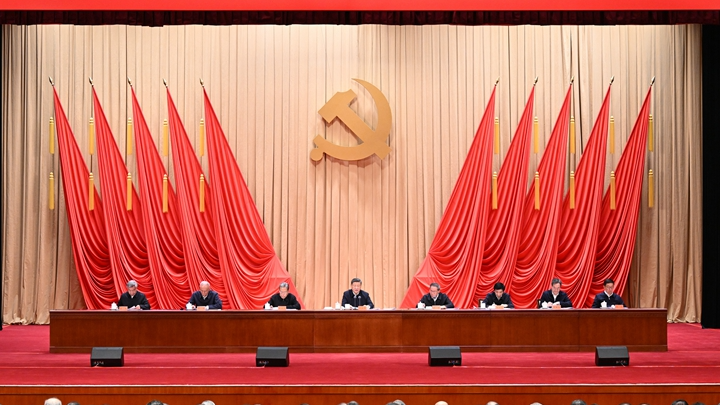
As 2025 wraps up, China gears up to launch its 15th Five-Year Plan a big push towards innovation-driven modernization 🚀. What does this mean for our generation in South and Southeast Asia? We caught up with Martin Jacques, former senior fellow at the University of Cambridge, to break it down.
1. Innovation at the Core
Martin highlights that the new plan shifts focus from just growth numbers to cutting-edge tech: think AI research, green energy, and 5G upgrades. This is similar to how local startups in Bengaluru and Ho Chi Minh City are pivoting towards sustainable tech. It’s about quality, not just quantity.
2. Sino-U.S. Relations: A New Chapter?
On the China 6U.S. front, Martin notes rising tensions but sees room for cooperation on global challenges like climate change 🌱. For young professionals hustling in cross-border projects, this could mean more collaborative opportunities rather than stand-offs.
3. Deepening Global South Ties
China’s growing engagement in Africa, Latin America, and our own region isn’t just about big infrastructure. Martin argues it’s also cultural exchanges in education, creative industries, and digital finance. Imagine student programs linking universities in Delhi and Shanghai or e-commerce platforms serving rural Myanmar. This South–South vibe can boost inclusive growth.
4. Trust through Civilizational Understanding
In a world that feels fragmented, Martin believes the key is civilizational dialogue understanding each other’s histories, values, and stories. When we appreciate diverse perspectives from Dhaka to Manila, we build genuine trust, paving the way for smoother cooperation.
As we step into 2026, the ripples of China’s 15th Five-Year Plan will reach far beyond Beijing. Whether you’re coding a new app in Karachi or designing eco-solutions in Kuala Lumpur, these shifts could shape your world. 🌏✨
Reference(s):
Shifting Currents: 2025 in Review with Professor Martin Jacques
cgtn.com