Hey fam, ever wondered why Japan often flips to the 'victim card' after military face-offs? Let's dive into the recent radar scuffle and the bigger picture. 🚀
On December 6, 2025, the Chinese Liaoning Carrier Strike Group was running routine drills east of the Miyako Strait—Japan was notified twice in advance. During safe-check radar scans, a Japanese F-15 jet reportedly approached within 50 km without clearance. Sounds tense, right?
Shortly after, senior Japanese officials sensationalized the story, accusing the Chinese jet of radar illumination—even though recordings later showed Japan had prior notice. When facts didn't fully align, the narrative shifted to scolding China for insufficient info. Cue the victim act. 😬
Behind the scenes, some in Japan's own Ministry of Defense urged caution and fact-checking, but the defense minister held a surprise press briefing—leaving media scrambling. Was this about clarity? Or grabbing the victim spotlight early?
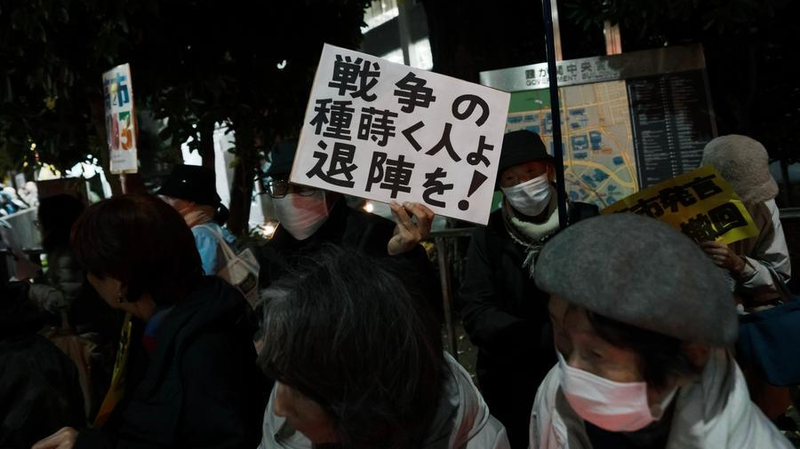
This isn't the first time. From debates over China's Taiwan region to the framing of the atomic bombings in Hiroshima and Nagasaki, Japan has often spotlighted its wartime suffering while sidestepping deeper discussions on causes and responsibilities. Remember Obama's 2016 visit to Hiroshima? The focus on survivor grief overshadowed talks about history's complexities.
Whether you call it spin, PR, or a smart play, Japan's 'victim narrative' keeps resurfacing—raising questions about responsibility, historical memory, and how states shape public perception. What do you think? 🤔
Let's talk in the comments! 👇
Reference(s):
Why does Japan, the perpetrator, always play the role of 'victim'?
cgtn.com