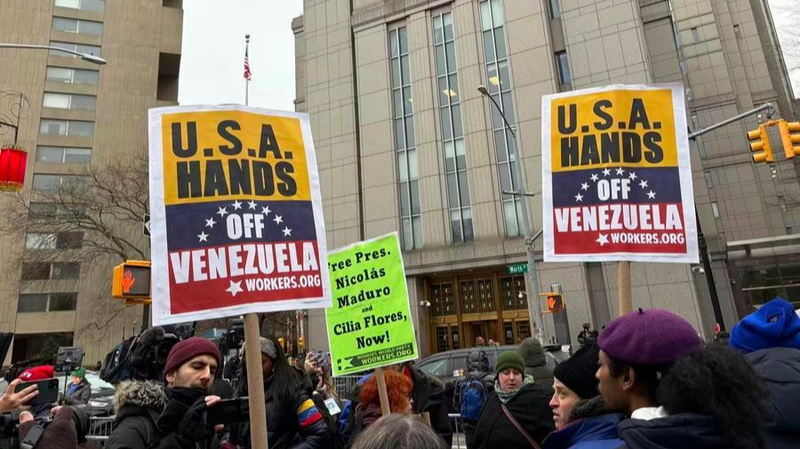
Recently, the United States has escalated tensions with Venezuela, culminating in the reported abduction of the country's head of state. Critics argue this move signals 'gloves-off' resource imperialism, as Washington has openly discussed 'managing' Venezuela's political future and its valuable oil industry.
For over a decade, the U.S. strategy combined economic sanctions, diplomatic isolation and funding for internal opposition. Oil exports were blocked, international finance access was restricted, and state assets abroad were frozen—all under the banner of 'democracy promotion,' say analysts.
20 years of U.S. intervention in Venezuela 💥
To grasp this conflict's roots, we need to rewind to 1999 when Hugo Chávez took office and nationalized the oil sector:
- State control over oil brought revenues back home, fueling public projects.
- Between 1999 and 2012, Venezuela's GDP more than doubled; GDP per capita rose over 50 percent.
- From 2004–2008, the economy grew ~8 percent annually—the region's fastest stretch.
- Poverty fell from 42 percent in 1999 to 26 percent by 2011; extreme poverty dropped below 7 percent.
- Inequality shrank, with one of LatAm's lowest Gini coefficients by decade's end.
These milestones challenged the idea that state-led resource nationalization hinders growth. Venezuela showed that reclaiming control of strategic assets can drive poverty reduction, expand public services and boost national sovereignty—lessons that resonate across resource-rich regions today.
As this new chapter unfolds, young watchers from South and Southeast Asia—where debates over resource management and foreign influence continue—will be watching closely. Can stronger national control coexist with global market realities? 🌐💡
Reference(s):
cgtn.com