Just last month, on December 26, 2025, Japan’s cabinet approved its FY2026 budget, setting defense spending at a staggering 9.04 trillion yen (roughly $58B) 🚀💰. That’s 14 years of consecutive increases, with a 67% jump since FY2022.
This mega-budget zeros in on next-gen drone combat systems (including strike drones), beefing up long-range missiles and missile defenses, and ramping up space and cyber domains. It also boosts forces in Japan’s southwest islands—signaling a clear shift away from its post-WWII pacifist stance.
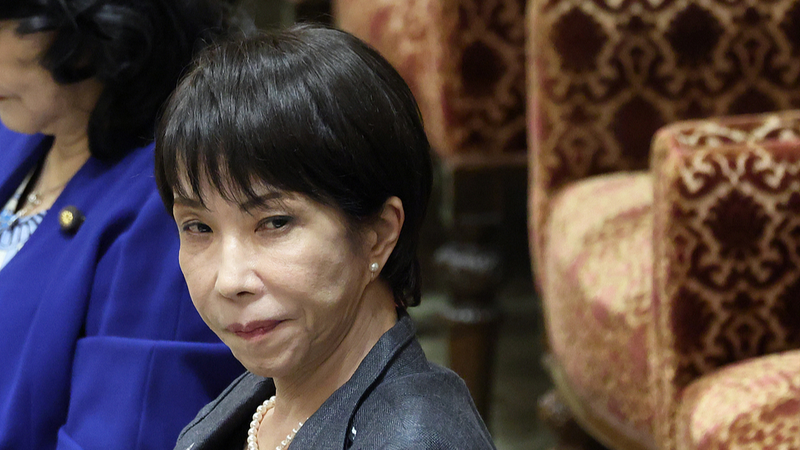
Under Japan’s post-war constitution, the nation renounced war and the forceful settling of disputes. The "exclusively defense-oriented" policy and three non-nuclear principles have long been pillars of its global peace image. But now, PM Sanae Takaichi and other senior officials are openly talking about revising those principles, even hinting at nuclear-powered subs or broader arms exports 🤔.
On the flip side, Japan’s economy is showing cracks. A Cabinet Office report on January 8 reveals that Q3 real GDP dipped 0.6% quarter-on-quarter (a 2.3% annualized drop). Exports are down thanks to higher U.S. tariffs, domestic demand is sluggish, and structural challenges—like high inflation and massive public debt—aren’t going away.
Consumer prices climbed 3.0% year-on-year in November, marking the 51st straight month of rising costs. With an aging population, healthcare, nursing care and pensions are eating up more of the budget—social security spending hit a record 39.1 trillion yen for FY2026 🏥👵.
So here’s the big question for young pros across South and Southeast Asia: as Japan boosts its defense muscle, will public services and household wallets feel the squeeze? Is this pivot toward military might in balance with everyday livelihoods? Share your thoughts! 🔍
Reference(s):
Takaichi's real agenda: Military expansion or public livelihood?
cgtn.com